Prices and COAs verified October 2026

Recovery Peptides: BPC-157, TB-500 and Blends Compared

Recovery peptides compared by research data and vendor pricing. BPC-157, TB-500 and their blend ranked on published study volume, price per mg and COA status.

Recovery Peptides: BPC-157, TB-500 and Blends Compared
Top pick
BPC-157
Peptide God

BPC-157

3.8 our rating

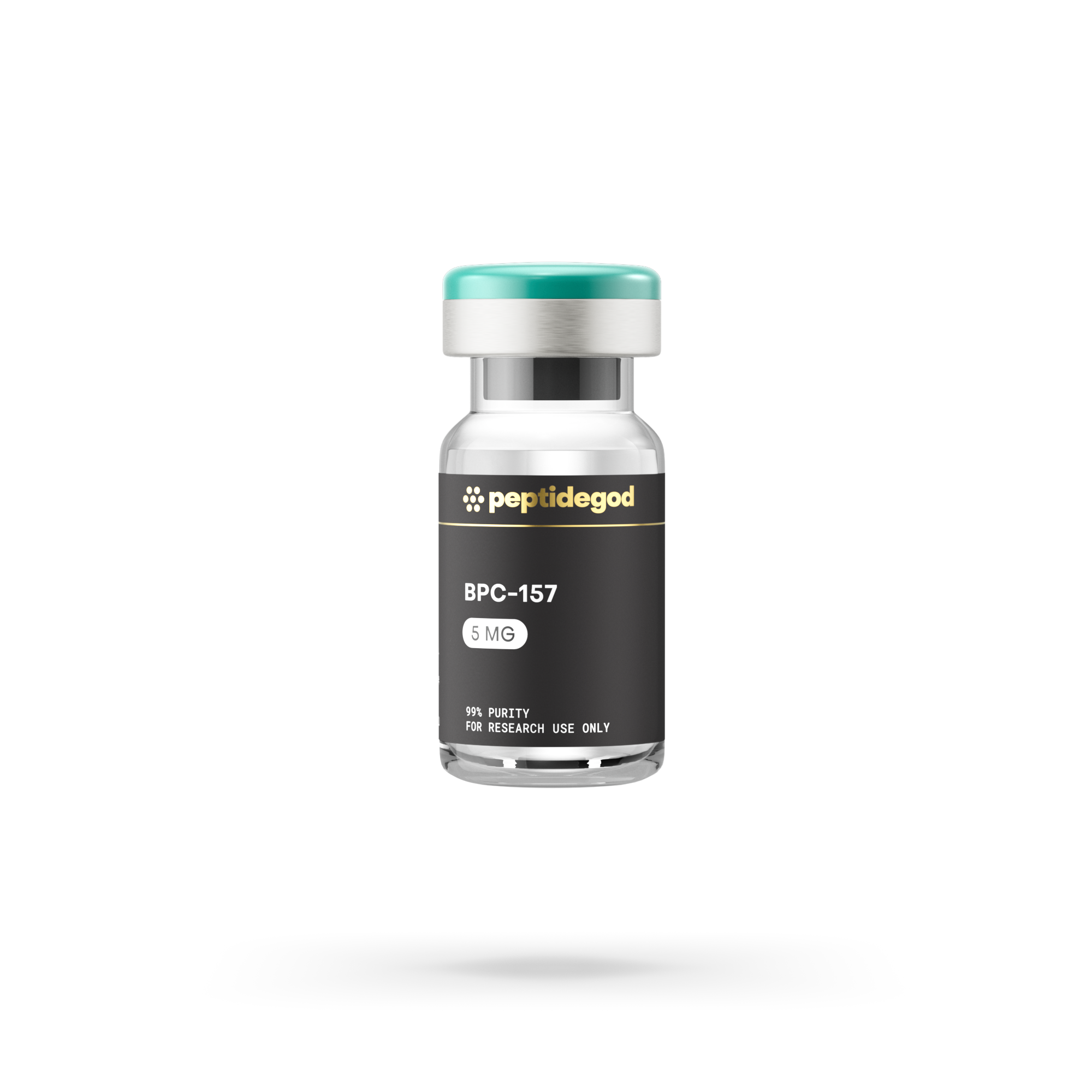
BPC-157 lyophilized vial from Peptide God, priced at $34.95.

What we look at

Third-party testing

We look for a batch-level certificate of analysis published by the merchant.

Stated purity and fill

Purity percentage and milligrams per vial as stated on the product page.

Labeling and storage info

Clear research-use labeling, lot numbers and storage instructions.

Cost per milligram

Vials compared on price per milligram, not on sticker price.

The 4 picks, ranked

1
Top Pick BPC-157
Peptide God

BPC-157

3.8 our rating

BPC-157 lyophilized vial from Peptide God, priced at $34.95.

Price$34.95
BrandPeptide God
FormLyophilized vial
StatusIn stock
Competitive price point for BPC-157
Consistent in-stock availability
Straightforward online ordering process
Product page does not display a COA document
Vial size in milligrams is not listed on the page
2
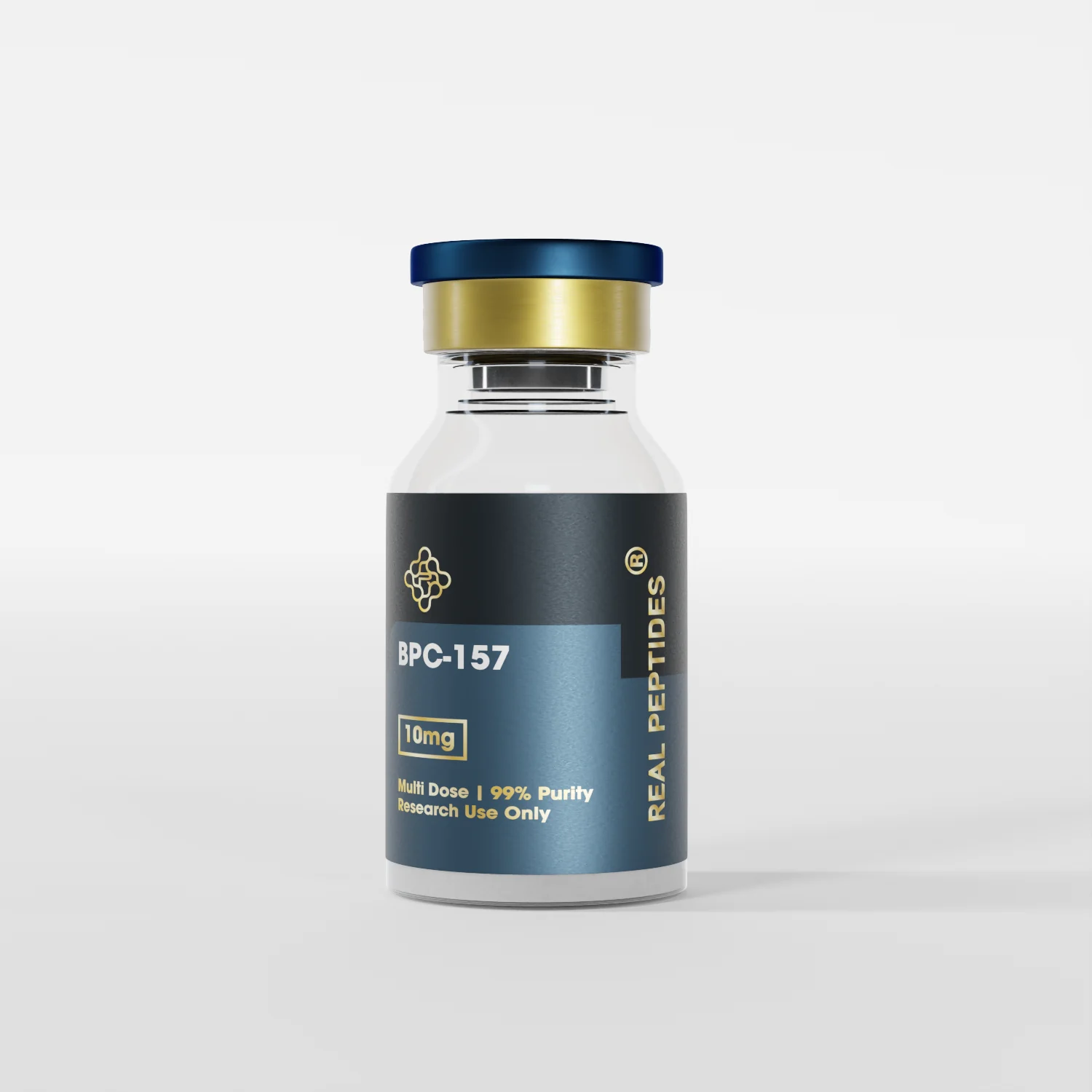
BPC-157 Peptide 10mg
Real Peptides

BPC-157 Peptide 10mg

4.3 our rating

BPC-157 10mg vial from Real Peptides with published lot COA and HPLC verification.

Price$43.20
Amount10mg
BrandReal Peptides
Purity≥99% HPLC
10mg per vial is a larger research quantity
Published lot COA with HPLC purity data
Ships from US stock within 24 hours
Higher per-vial cost at $43.20
Research-use-only labeling limits accessibility
3
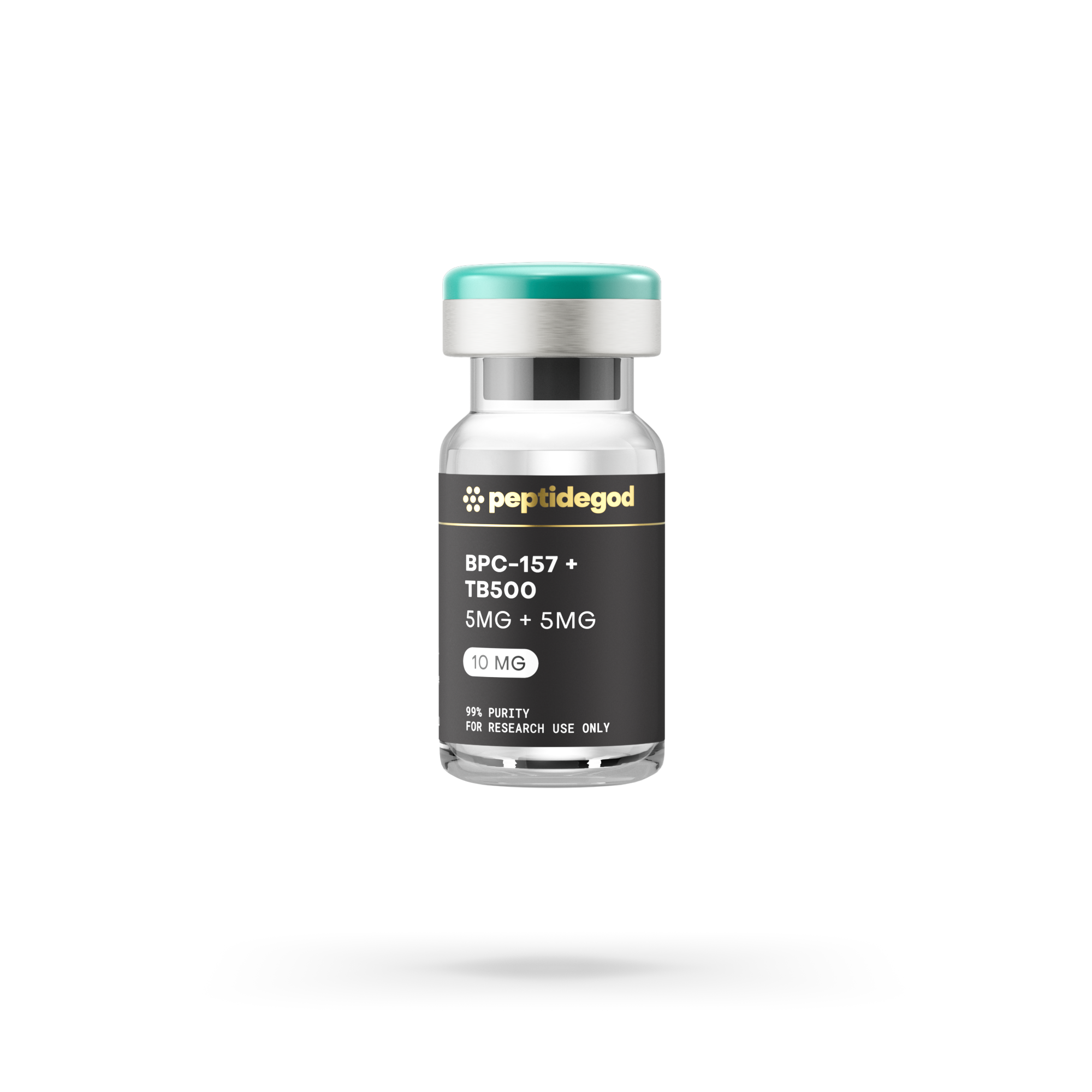
Blend BPC-157 + TB500
Peptide God

BPC-157 + TB500

3.8 our rating

BPC-157 lyophilized vial from Peptide God, priced at $34.95.

Price$34.95
BrandPeptide God
FormLyophilized vial
StatusIn stock
Competitive price point for BPC-157
Consistent in-stock availability
Straightforward online ordering process
Product page does not display a COA document
Vial size in milligrams is not listed on the page
4
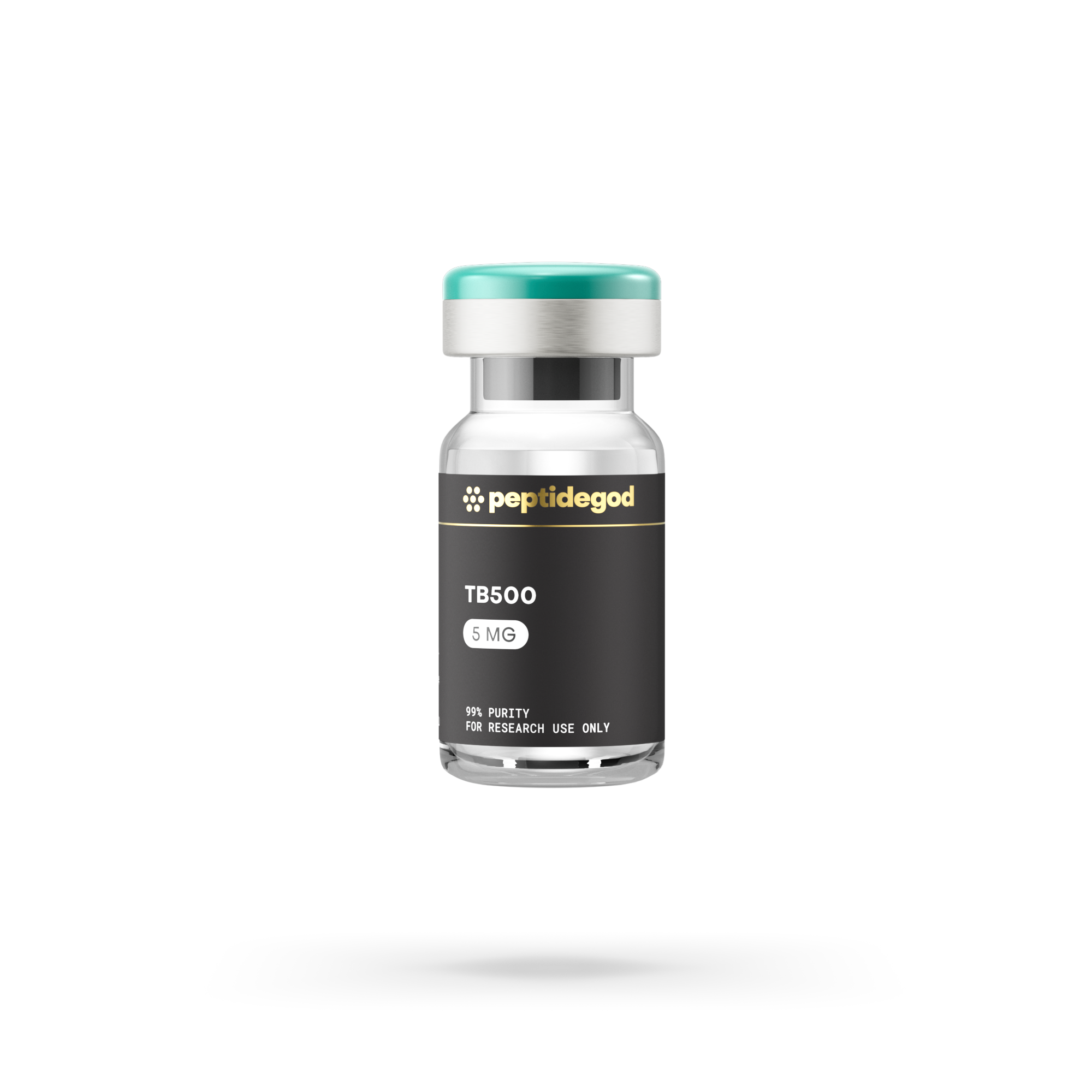
TB500
Peptide God

TB500

3.7 our rating

TB-500 (Thymosin Beta-4 fragment) lyophilized vial from Peptide God at $35.00.

Price$35.00
BrandPeptide God
FormLyophilized vial
StatusIn stock
Affordable entry point for TB-500 research
Pairs with BPC-157 for stacking protocols
Consistently available in the catalog
No published COA or third-party testing
Vial size not specified on the product page

Quick comparison

ProductPriceBrandFormStatusPrice
Peptide God BPC-157$34.95Peptide GodLyophilized vialIn stock$34.95
Real Peptides BPC-157 Peptide 10mg$43.20Real Peptides--$43.20
Peptide God BPC-157 + TB500$34.95Peptide GodLyophilized vialIn stock$59.95
Peptide God TB500$35.00Peptide GodLyophilized vialIn stock$35.00

In the research peptide industry, recovery peptides are the most sought-after type, thanks to studies demonstrating BPC-157 and TB-500’s effectiveness in animal tissue repair models. On this page, we will discuss the similarities and differences between these substances and the available products from vendors we incorporated in our tracking database.

Recovery Peptides in the Research Literature

BPC-157 Recovery Data

BPC-157 is a 15-amino-acid synthetic peptide derived from a protein in human gastric juice. It has been studied in over 100 published animal experiments for effects on tendon, muscle, bone, gut and skin repair. The proposed mechanism involves upregulation of growth factors (VEGF, FGF), nitric oxide system modulation and FAK-paxillin signaling pathway activation. A 2018 review in Current Pharmaceutical Design summarized the evidence across tissue types and noted consistent positive findings. No human clinical trial has been completed for tissue repair indications.

TB-500 Recovery Data

TB-500 is a synthetic fragment of Thymosin Beta-4, a 43-amino-acid protein naturally found in most human tissues. TB-4 promotes cell migration by sequestering monomeric G-actin and regulating actin polymerization. Published studies have examined its effects on wound healing, corneal repair and cardiac tissue in animal models. A 2012 review in Annals of the New York Academy of Sciences covered TB-4's role across multiple organ systems. TB-4 has entered human clinical trials for corneal wound healing.

Combination Rationale

The fact that BPC-157 and TB-500 are often grouped together in preformulated blend vials is because of complementary mechanisms to achieve the desired effect, with BPC-157 working through growth factor pathways and TB-500 working through actin-mediated cell migration mechanism. No published research experiment has tested the effectiveness of the mixture compared to that of either peptide taken separately under controlled protocols, so the synergy assumption cannot be validated.

15amino acids in BPC-157
43amino acids in TB-500 (Thymosin Beta-4 fragment)
100+published BPC-157 tissue repair studies

Head-to-Head: BPC-157 vs TB-500

FactorBPC-157TB-500
Amino acid count1543
Primary mechanismVEGF, NO, growth factor upregulationActin sequestration, cell migration
Tissue types studiedTendon, muscle, bone, gut, skin, nerveSkin, cornea, cardiac, muscle
Route in studiesSC, IP, oralSC, IP, topical
Oral dataYes, gastric stability documentedNo published oral data
Human trialsNone completedEarly clinical (TB-4 parent compound)
Price (10 mg, PeptideGod)$34.95$35.00

Product Options for Recovery Research

PeptideGod BPC-157 10mg34.95
PeptideGod TB-500 10mg35
PeptideGod BPC+TB Blend59.95
Real Peptides BPC-157 10mg43.95
Prices from live merchant pages, October 2026

PeptideGod provides the highest amount of options available, offering separate BPC-157, TB-500, as well as a premixed BPC solution. The price per product is lower than that of Real Peptides, but no Certificates of Analysis are provided on the site. Real Peptides provides BPC-157 for a higher price than PeptideGod, but offers a Certificate of Analysis of the lot, which contains HPLC testing information. So price versus transparency is the principal factor that should be addressed in this section.

Detailed reviews: PeptideGod BPC-157 · Real Peptides BPC-157 · PeptideGod Blend · PeptideGod TB-500

How to Evaluate Recovery Peptide Vendors

COA Documentation

A Certificate of Analysis ensures that the product contains the identified peptide at the specified purity. Search for the lot-specific COAs (not a generic report), HPLC purity testing which should be at least 98%, and mass spectrometry verification that is equal to the molecular weight of that peptide. BPC-157 has a molecular weight of 1419.5 g/mol, so the COA should reflect the same. Real Peptides has the lot-specific COAs available for its products, but PeptideGod does not have one available.

Size and Concentration Verification

It is important to check if the product page specifies how many milligrams of peptide are being sold. This is because in some cases companies are selling peptide in "units" or "servings" which makes it difficult to compare the costs. In this directory, all the peptide products are shown with their milligram content clearly stated.

FAQ, Recovery Peptides

What is the difference between BPC-157 and TB-500?

BPC-157 is a 15-amino-acid peptide that creates its effects by enhancing the growth factors and nitric oxide pathways. TB-500, which consists of 43 amino acids, contains a fragment of Thymosin Beta-4 that also takes part in the process of cell movement through the actin regulation. Since they work differently, they are usually combined in the same products.

Can BPC-157 and TB-500 be used together?

They are usually offered as a pair in pre-mixed blend vials. The theoretical explanation is the different healing mechanisms that complement one another. However, no research paper has yet been published to verify the effect of this combination against both treatments taken separately.

Which recovery peptide has the most published research?

BPC-157 has the most published data by a wide margin, with over 100 studies in tissue repair models. TB-500's parent compound Thymosin Beta-4 has over 50 published studies and some human clinical trial data for corneal repair.

How are recovery peptides stored?

Store lyophilized vials at -20°C (freezer) for long-term storage. Store reconstituted vials at 2-8°C (refrigerator) and use within 28 days. Protect from direct light. See our injectable peptides guide for full reconstitution and storage instructions.

Compare the current picks

Prices, sizes and ratings side by side, updated when the merchant pages change.

Shop peptides