BPC-157
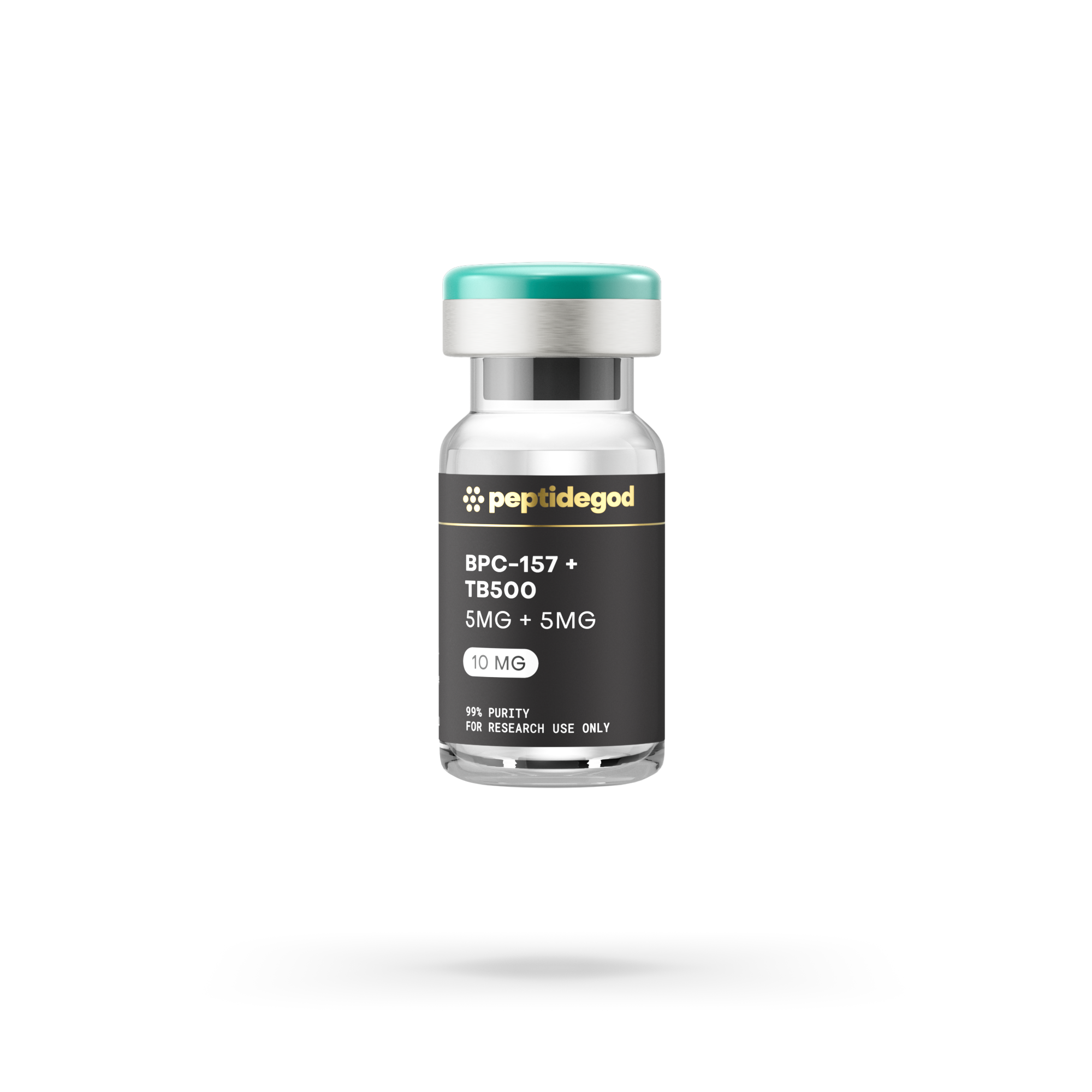
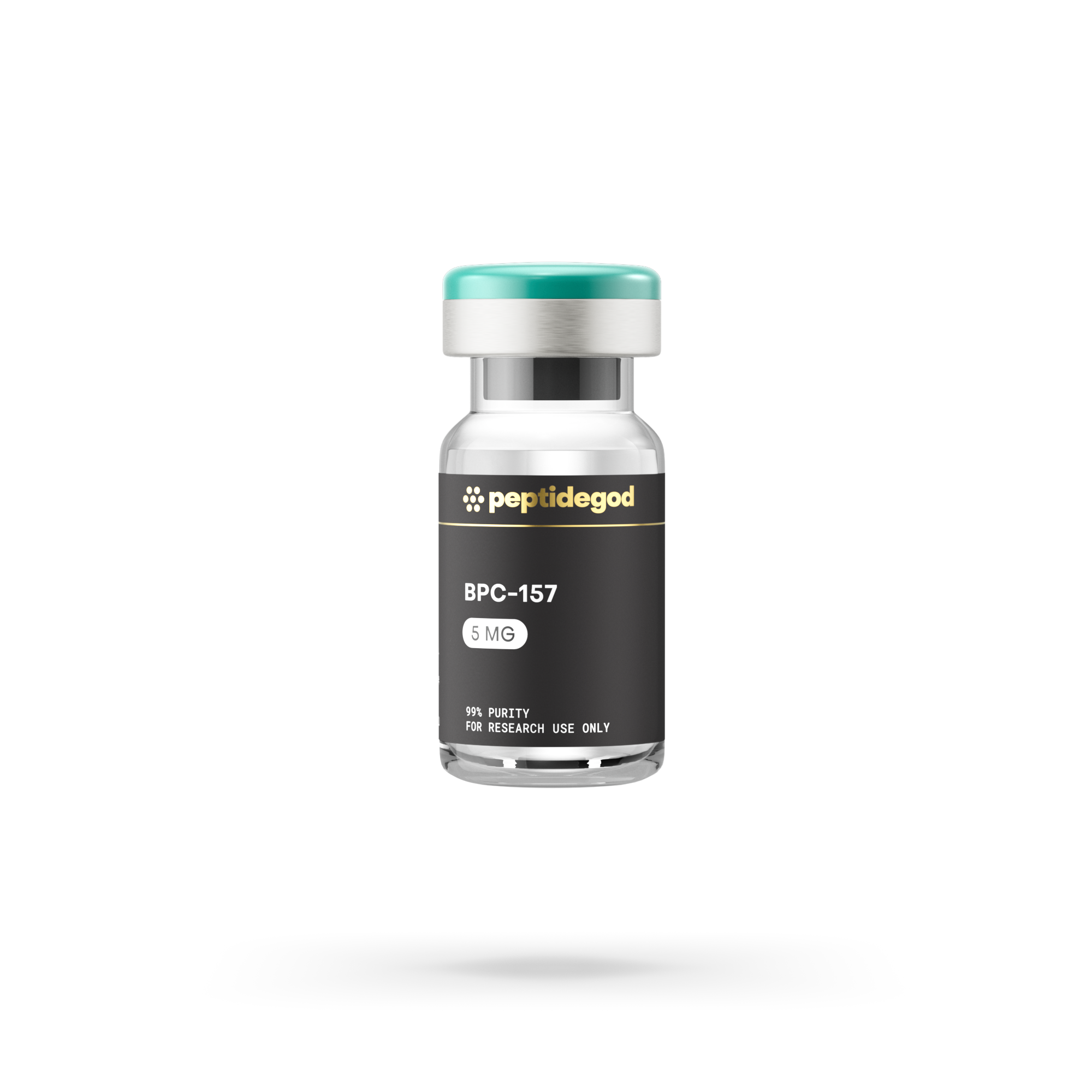
BPC-157 lyophilized vial from Peptide God, priced at $34.95.
Compare BPC-157 and related research peptides by price per milligram, published COA and shipping speed. Independent rankings updated for 2026.
Ranked on the criteria below. Prices and ratings come from the merchant pages.
BPC-157 lyophilized vial from Peptide God, priced at $34.95.
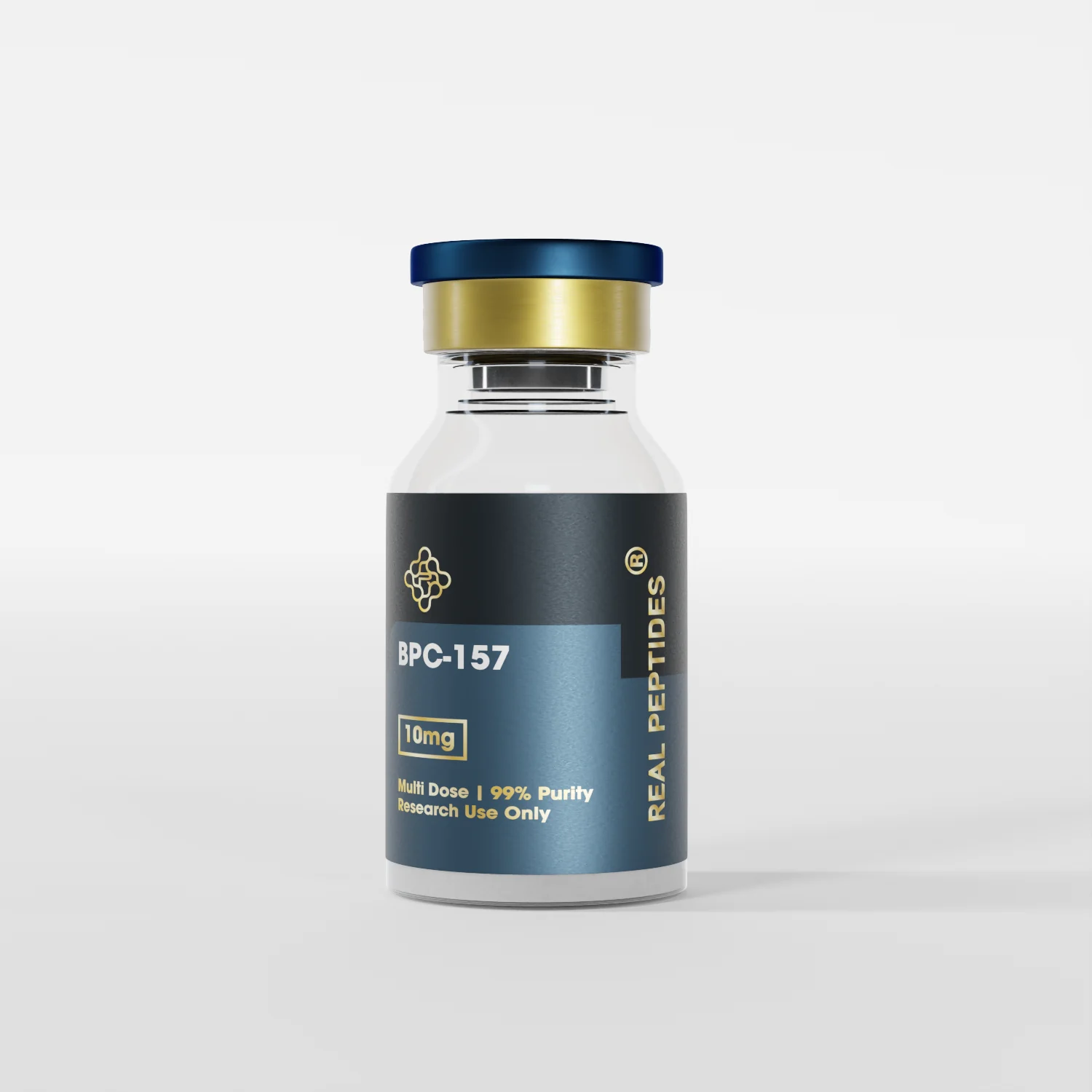
BPC-157 10mg vial from Real Peptides with published lot COA and HPLC verification.
BPC-157 lyophilized vial from Peptide God, priced at $34.95.
We look for a batch-level certificate of analysis published by the merchant.
Purity percentage and milligrams per vial as stated on the product page.
Clear research-use labeling, lot numbers and storage instructions.
Vials compared on price per milligram, not on sticker price.
BPC-157 peptides are the most researched substance in the peptide supply chain, and the list of suppliers is growing quickly. We assembled this site to compare vendors and substances in a fair way, including price per milligram, available COA documentation and stock status. This website has no sponsors and no one pays for advertisements.
BPC-157 is a 15-amino-acid synthetic peptide that originates from a naturally occurring protein in human gastric juice called Body Protection Compound. The substance was first isolated and characterized in the early 1990s by a team of researchers in Zagreb University and, since then, there have now been more than 100 studies of its effects on tissue repair, gastrointestinal protection, and vascular function as seen on a comprehensive review in Current Pharmaceutical Design. This volume and accessibility of preclinical data makes BPC-157 a peptide of exceptional interest and great potential.
The chemical retains its designation as a research compound in the United States and has not been subject to FDA sanction for any medical application.
There are three reasons for growth in the industry. First, the amount of preclinical data on compounds such as BPC-157 and TB-500 keeps increasing, presenting researchers with more opportunities. Second, the suppliers expanded their offers from few vials to the entire line of products, including GH secretagogues, mitochondrial peptides, nootropics, and copper peptides used topically. Third, the prices have decreased significantly due to the entry of a lot of players in the market, which allows comparing the suppliers.
We monitor five separate categories through two vendors and three relevant brands. The comprehensive enumeration is provided below.
So a Certificate of Analysis is created by an independent laboratory to verify the purity and identity of the batch of the peptide. Before putting any product in the catalog, we check whether the vendor provides a lot-specific Certificate of Analysis with data from HPLC chromatography and mass-spectrometry. Vendors not providing a Certificate of Analysis receive lower editorial ratings on the Testing rating scale. Real Peptides publishes lot-specific Certificates of Analysis for all products. Peptide God does not display COAs on the product pages of its website at the moment this review is being written.
Unless we are aware of the peptide amount present in the vials, we cannot compare a vial of $35 to a vial of $43. This is because we first take note of the labeled quantity in milligrams from the product’s page and then proceed to calculate price per milligram. In cases where the vendor does not reveal the vial size, we also take the absence of the vial size into consideration and include it in the overall Value score.
This directory has vendors who ship from the United States. The stock status of the vendors is checked at the time of posting the review. When a product becomes out of stock, it is recorded in the review. Lyophilized peptide vials are shipped in an insulated package with ice packs or cold chain shipping. The storage guide article describes what to do next.
| Category | Key Compound | Route | Price Range |
|---|---|---|---|
| Recovery | BPC-157, TB-500 | SC injection | $34.95 - $59.95 |
| Growth Hormone | Ipamorelin, Tesamorelin | SC injection | $39.95 - $55.00 |
| Longevity | Epithalon, MOTS-c | SC injection | $29.95 - $84.00 |
| Cognitive | Semax, Selank | Nasal | $49.95 - $59.95 |
| Topical | GHK-Cu | Topical | $20.00 - $74.50 |
Freeze-dried (lyophilized) peptides are stable at -20 degrees Celsius for quite a long time. After being reconstituted in bacteriostatic water, it must be stored at 2-8 degrees Celsius and used within 28 days' time. Luminescence and temperature cycling can degrade these peptides, so if vendor ships without insulated packaging, it raises a warning sign.
Add bacteriostatic water to the vial by running it slowly down the inside wall. Never inject the water directly onto the lyophilized cake. Swirl gently until the powder dissolves. The resulting concentration depends on the amount of water added and the peptide quantity in the vial. Our reconstitution calculator does the arithmetic for you.
Peptide stacking and combination protocols from published research. Which peptides are studied together, rationale for stacking and what data exists.
How to store research peptides properly. Temperature ranges, light sensitivity, reconstituted vs lyophilized shelf life and cold chain shipping explained.
How peptide purity testing works. HPLC chromatography, mass spectrometry and endotoxin screening explained. What to look for on a Certificate of Analysis.
Every guide and ranking on this site is checked by a named reviewer before it is published.
BPC-157 is a synthetic peptide consisting of 15 amino acids (sequence: GEPPPGKPADDAGLV) derived from a naturally occurring protein in human gastric juice. It has been studied in over 100 published preclinical experiments for effects on tissue repair, gastrointestinal protection and blood vessel formation. No human clinical trials have been completed to date.
Research peptides sold as "for research use only" or "not for human consumption" are legal to purchase in the US. They are not FDA-approved drugs and cannot be marketed for therapeutic use. The legal landscape around compounding pharmacies and certain peptides has shifted since the FDA's 2024 guidance on bulk drug substances, so researchers should verify current rules for specific compounds.
Unopened lyophilized vials are stored in the freezer at -20C for a long time. Reconstituted peptides need to be stored in the refrigerator at 2-8C and used up within 28 days. Make sure that the vials are kept out of direct light and not kept at room temperature too long.
A COA authenticates the identity and purity of a peptide batch. The main tests conducted are HPLC (short for high-performance liquid chromatography) for determining the purity value and mass spectrometry for establishing the molecular weight. Additional tests may involve the screening for endotoxins and testing for residual solvent. A supplier that provides lot-specific COA proves that purity data is reliable, whereas the one that does not leaves it uncertain.