Epithalon
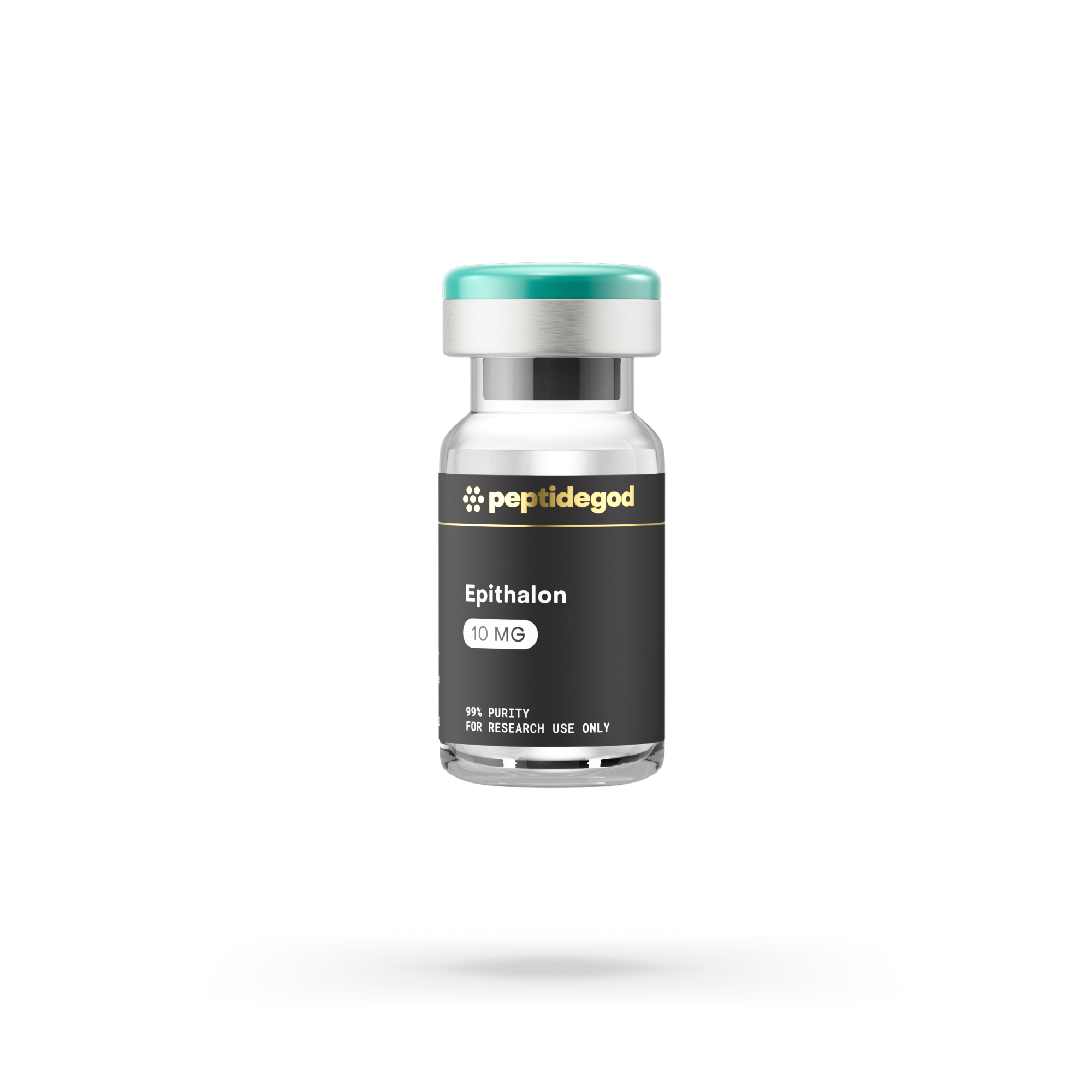
Epithalon (Epitalon) tetrapeptide from Peptide God at $29.95.
Longevity peptides compared by published research. Epithalon, MOTS-c, NAD+ and SLU-PP-332 ranked on study data, proposed mechanisms and vendor pricing.

Epithalon (Epitalon) tetrapeptide from Peptide God at $29.95.
We look for a batch-level certificate of analysis published by the merchant.
Purity percentage and milligrams per vial as stated on the product page.
Clear research-use labeling, lot numbers and storage instructions.
Vials compared on price per milligram, not on sticker price.

Epithalon (Epitalon) tetrapeptide from Peptide God at $29.95.

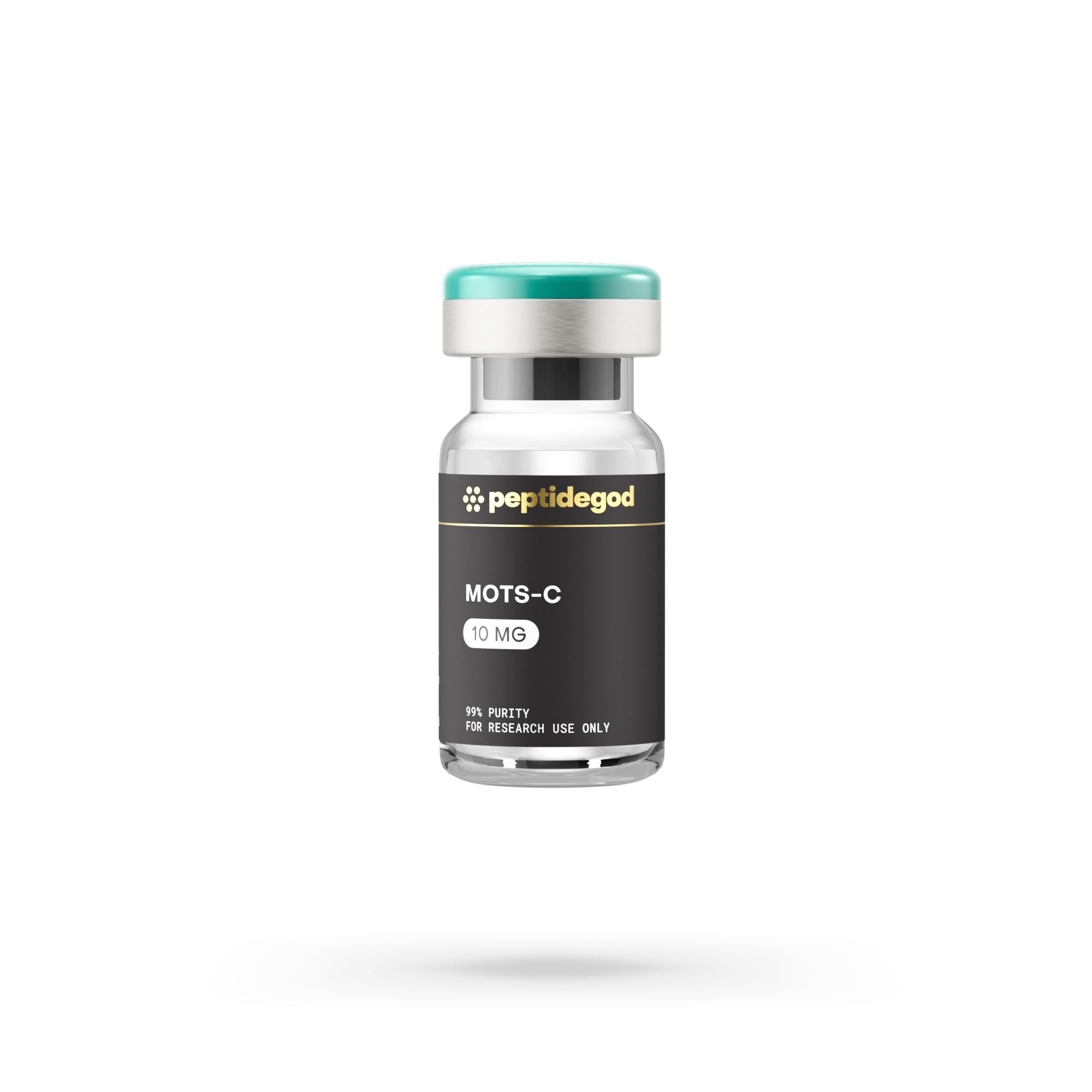
MOTS-c mitochondrial peptide from Peptide God at $49.95.

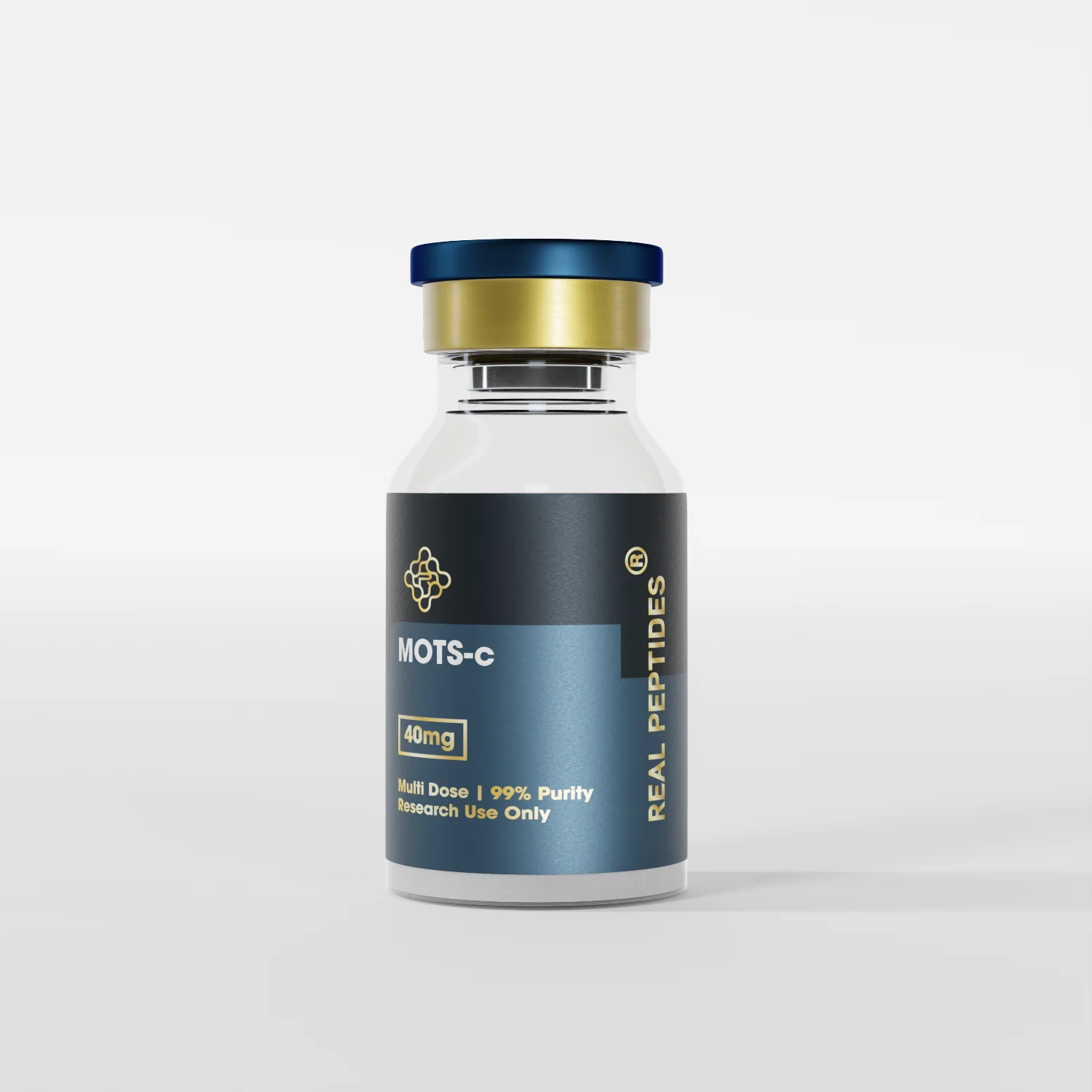
MOTS-c 10mg vial from Real Peptides with lot COA and US shipping.

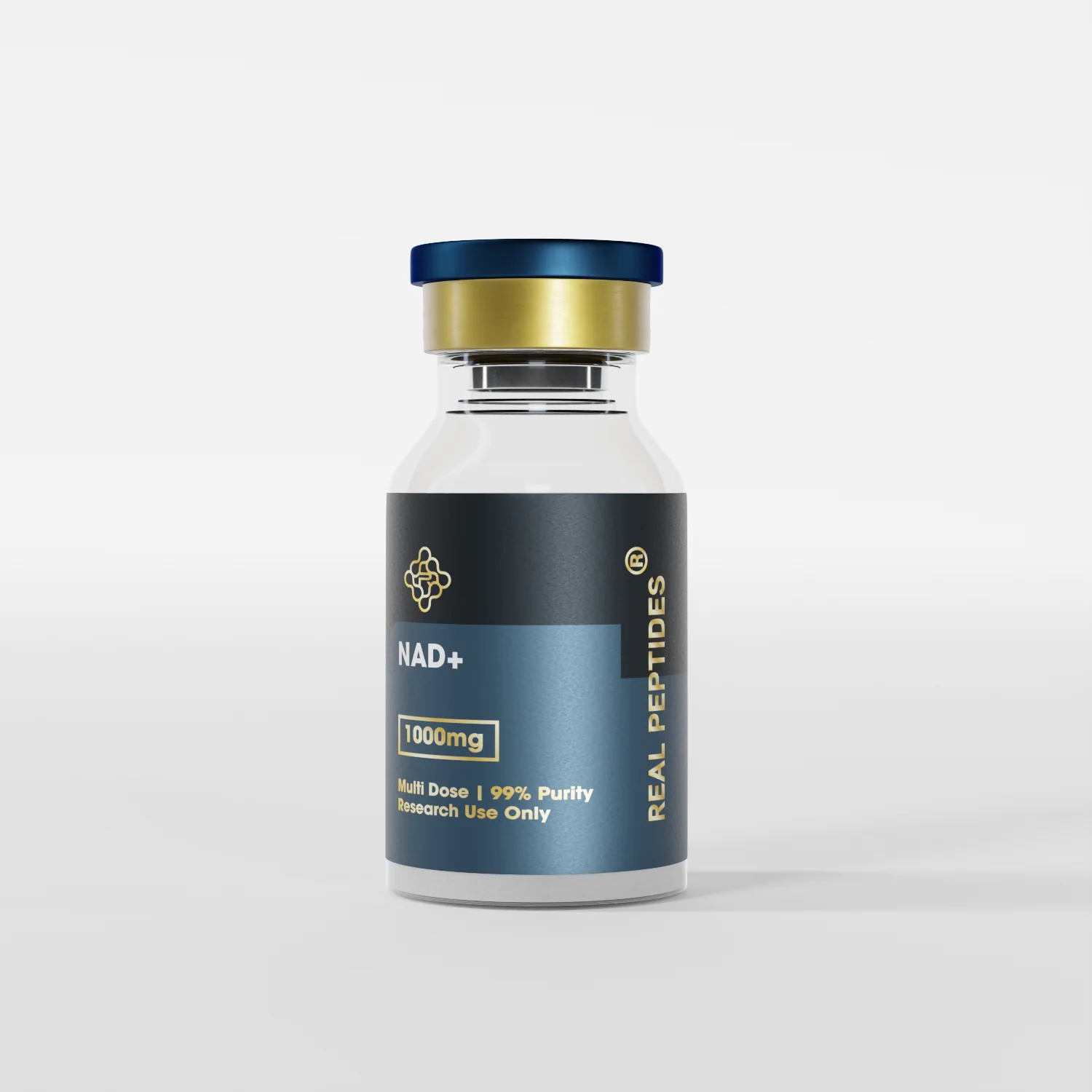
NAD+ peptide 100mg from Real Peptides for research reconstitution.

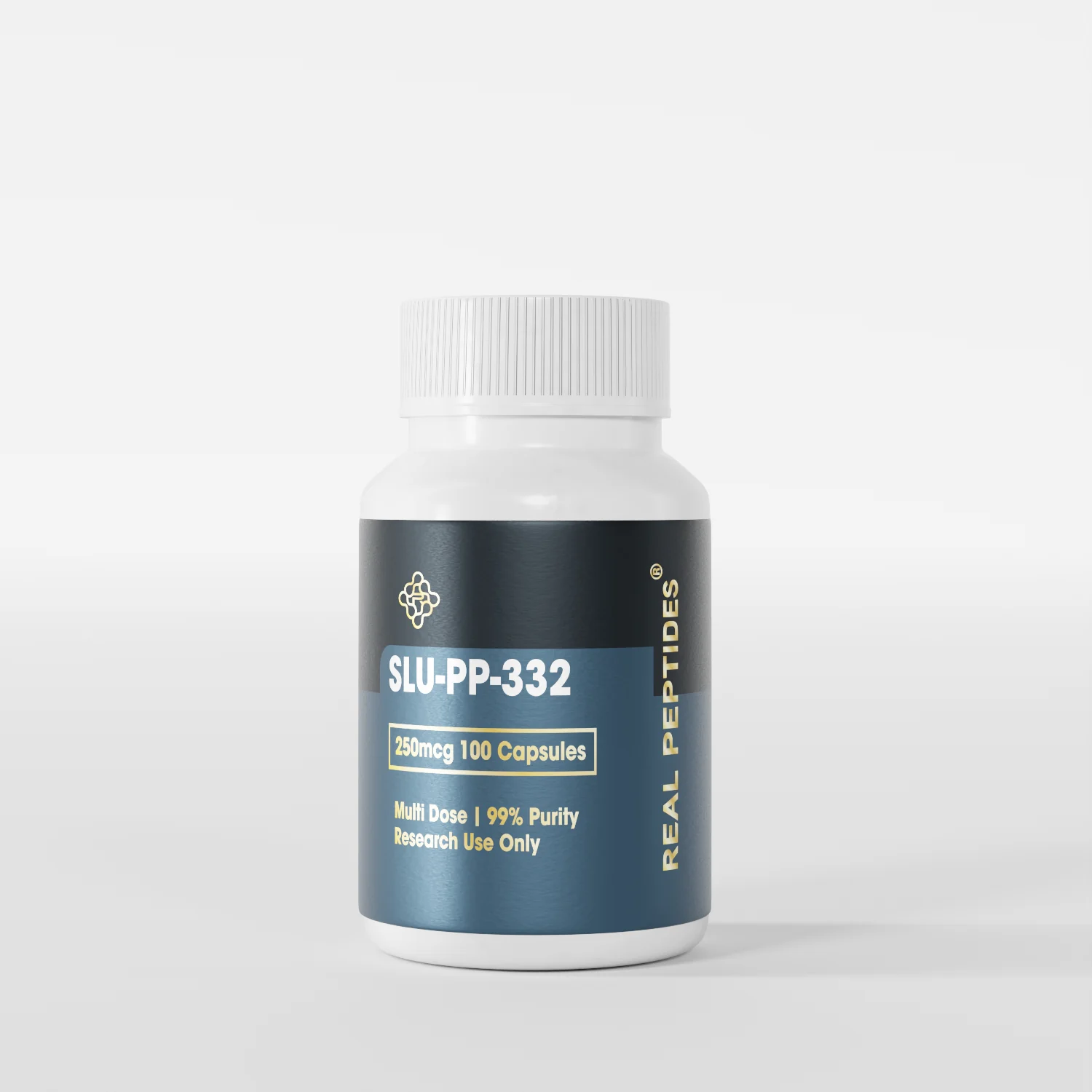
SLU-PP-332 oral capsules (100 count) from Real Peptides at $84.00.
| Product | Price | Brand | Sequence | Form | Price |
|---|---|---|---|---|---|
| Peptide God Epithalon | $29.95 | Peptide God | Ala-Glu-Asp-Gly | Lyophilized vial | $29.95 |
| Peptide God MOTS-C | $49.95 | Peptide God | - | Lyophilized vial | $49.95 |
| Real Peptides MOTS-c Peptide | $43.20 | Real Peptides | - | - | $43.20 |
| Real Peptides NAD+ Peptide for Sale | $60.00 | Real Peptides | - | - | $60.00 |
| Real Peptides SLU-PP-332 Peptide 100ct | $84.00 | Real Peptides | - | Capsules | $84.00 |
Longevity peptides focus on the mechanisms at the core of aging, including telomeres, mitochondria, NAD+ production, and the pathways associated with exercise. The studies supporting this research reach back to studies performed years ago and others that have just been revealed. This article provides documentation supporting this work across companies and shows where the evidence is scarce.
Telomeres are extensions at the ends of a chromosome that shorten over time. When they become adjoined to a shorter threshold, cells cease to divide and die. Telomerase is the enzyme that can elongate telomeres. Epithalon is being investigated for its capability of stimulating telomerase. The assumption is that restoring the function of telomerase may impact cellular aging, although the association between telomeres and organismal aging is rather complex and far from being straightforward.
MOTS-c is a mitochondrial-derived peptide, it is encoded in the mitochondrial genome rather than the nuclear genome. Published research suggests MOTS-c plays a role in metabolic homeostasis, insulin sensitivity and exercise physiology. A 2018 study in Cell Metabolism demonstrated that MOTS-c treatment improved exercise capacity in mice. The mitochondrial origin of this peptide makes it biologically distinct from the synthetic peptides in other categories.
NAD+ (which stands for nicotinamide adenine dinucleotide) is a coenzyme that is important for cellular metabolism, DNA repair, and sirtuin activation. With aging, the levels of NAD+ decrease, and restoring them is an area of concern in the field of aging research. Even though NAD+ is not a peptide, it appears in catalogs of peptide vendors along with NMN (nicotinamide mononucleotide) and is supplied using injections in research studies. The company Real Peptides offers injectable NAD+ as part of their offer.
Epithalon (also spelled Epitalon) is a synthetic tetrapeptide (Ala-Glu-Asp-Gly) designed to mimic the natural peptide Epithalamin, which is produced by the pineal gland. The primary research on Epithalon comes from the laboratory of Vladimir Khavinson at the St. Petersburg Institute of Bioregulation and Gerontology. A 2003 study by Anisimov et al. in Biogerontology reported that repeated courses of Epithalon treatment in mice were associated with telomerase activation in somatic cells and modest lifespan extension.
In vitro studies show that Epithalon activates telomerase in human fetal fibroblast cell cultures. Animal studies report effects on melatonin secretion, reproductive function in aging rats and lifespan markers. The body of evidence is smaller and less independently replicated than BPC-157's, most published Epithalon data originates from a single research group. This is an important caveat when evaluating the strength of the evidence. Limited human data exists from early Russian studies with small sample sizes.
The 2018 Cell Metabolism study demonstrated that MOTS-c improved physical performance in mice subjected to exercise testing, earning it the label "exercise mimetic" in popular science coverage. The mechanism involves activation of AMPK (AMP-activated protein kinase), a master metabolic regulator that coordinates glucose uptake, fatty acid oxidation and mitochondrial biogenesis. MOTS-c treatment in mice improved treadmill endurance and glucose disposal during exercise.
In addition to the effects of exercise, published studies on the peptide MOTS-c show remarkable results on insulin sensitivity and diet-induced obesity in mouse studies. A 2015 study in Cell Metabolism first characterized MOTS-c as a mitochondrial-derived peptide that regulates metabolic homeostasis and prevents insulin resistance in mice, which is brought about by age and diet. There is a lack of sufficient human experiments in the studies on the peptide MOTS-c.
One can increase their NAD+ levels either by the oral precursor which is NMN and NR or through IV or subcutaneous injection of NAD+. The oral precursors cause the transfer of the NMN into NAD+ through a series of reactions. Since direct injection does not require conversion into the NAD+ form, it includes the cold-chain management. There remains lack of consensus in scientific discussions on the actual efficiency of both methods of delivery, although the study data suggest that both oral and injectable methods can give results.
Human studies on NMN supplements have involved doses ranging from 250 to 1,200 mg daily, but the outcomes have shown significant increases in plasma levels of NAD+ metabolites. On the other hand, injectable NAD+ protocols are defined only in a speculative manner in literature. Some companies like Real Peptides market injectable forms of NAD+. Research on NAD+ is among the most active areas in the field of anti-aging studies, with many clinical trials currently ongoing.
SLU-PP-332 is an ERRα/ERRγ agonist (estrogen-related receptor alpha/gamma) studied for exercise-mimetic properties. It is not a peptide in the strict sense but appears in peptide vendor catalogs as part of the longevity and performance research category. Published data is early, the compound was characterized in preclinical studies showing effects on muscle fiber type switching and endurance markers in mice. Real Peptides offers SLU-PP-332 at the highest price point in this category ($84.00), reflecting both the novelty of the compound and limited supply.
| Compound | Target | Mechanism | Species Studied | Form | Price |
|---|---|---|---|---|---|
| Epithalon (PeptideGod) | Telomere length | Telomerase activation | Mouse, human cells | Lyophilized vial | $29.95 |
| MOTS-c (PeptideGod) | Mitochondria | AMPK activation | Mouse, early human | Lyophilized vial | $49.95 |
| MOTS-c (Real Peptides) | Mitochondria | AMPK activation | Mouse, early human | Lyophilized vial | $43.20 |
| NAD+ (Real Peptides) | NAD+ metabolism | Direct coenzyme supply | Human clinical trials | Lyophilized vial | $60.00 |
| SLU-PP-332 (Real Peptides) | ERR receptors | ERRα/ERRγ agonism | Mouse | Solution | $84.00 |
According to the available published reports regarding the effect of Epithalon on lifespan increase, it has been found to be effective in laboratory mice. MOTS-c plays a significant role in improving various metabolic parameters related to healthspan. NAD+ precursor supplements have shown their effectiveness in clinical studies on humans in terms of improving age-related biomarkers. So far, no peptide that leads to prolongation of life of humans has been recognized by means of clinical trials. The research in the field is still being conducted to identify and validate biological targets.
Among the three tested compounds, Epithalon has the longest history of research with studies dating back to the 1990s. MOTS-c has a number of recent high impact publications, including a paper published in Cell Metabolism. As for NAD+, this compound is the most extensively studied one, as there are multiple ongoing clinical trials on human subjects. In the case of the three compounds, the angle of research differs – Epithalon studies telomerase activity, whereas MOTS-c focuses on mitochondria and NAD+ on metabolic enzymes.
The FDA has not approved any longevity peptides or products within this category for use in anti-aging. While the practice of medicine permits specific wellness clinics to offer NAD+ IV infusions, this is not considered an actual FDA drug approval. The items shown here are being marketed purely as research chemicals or dietary supplements.
In the usual case, Epithalon and MOTS-c are injected subcutaneously after the powder has been dissolved in liquid. NAD+ can be given either via IV, subcutaneous injection, or orally as NMN or NR precursor. SLU-PP-332 is sold as a solution. Our injectable peptides guide discusses the reconstitution process and storage. Our calculator covers the concentration calculations.

Prices, sizes and ratings side by side, updated when the merchant pages change.
Shop peptides