Peptide Purity Testing: HPLC, Mass Spec and What COAs Show
How peptide purity testing works. HPLC chromatography, mass spectrometry and endotoxin screening explained. What to look for on a Certificate of Analysis.
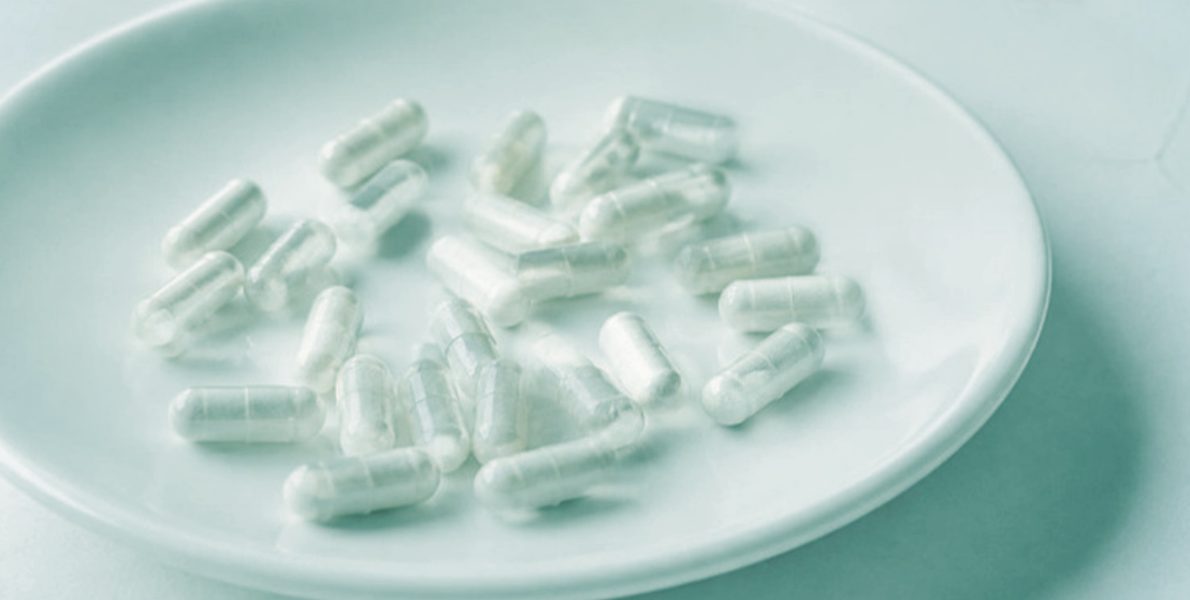
The Certificate of Analysis (CoA) is the only document that provides you with information about the contents of a peptide vial. This post explains the two main tests – HPLC and mass spectroscopy – what is meant by each entry on the CoA and how to tell whether a test report is credible or worthless.
Why Purity Testing Matters for Research Peptides
Contaminants and Their Impact on Results
Research peptides are synthesized through solid-phase or liquid-phase peptide synthesis, processes that can leave behind truncated sequences, deletion peptides, racemized amino acids, residual solvents and endotoxins. A vial labeled "BPC-157, 10 mg" may contain 10 mg of material, but if only 90% of that material is the correct peptide, the actual BPC-157 content is 9 mg, and the other 1 mg is unknown impurities. For research, impurities can introduce confounding variables. For any use involving biological systems, contaminants like endotoxins can cause inflammatory responses unrelated to the peptide itself.
The Role of Third-Party Labs
Credible COAs must come from independent, third-party laboratories rather than from the peptide vendor's laboratory. There is a conflict of interest if the vendor tests their own products. The COA should provide the name of the laboratory that carried out the analysis, the date of analysis, the product lot or batch that corresponds to the product label, and details of the analysis. COA without the laboratory name and the batch number cannot be verified.
HPLC: The Primary Purity Method
How High-Performance Liquid Chromatography Works
High-performance liquid chromatography (HPLC) is a method of separating components of a mixture by pumping a sample through a column of stationary phase material. Different chemicals react to the stationary phase differently, causing them to move at different speeds in the column. This creates a chromatogram, which illustrates the amount of each component. In testing peptide purity, the target peptide should show as one major peak with an insignificant number of impurities shown by other peaks.
Reading an HPLC Chromatogram
Important metric necessary for calculating purity is purity percentage, which involves dividing area of the target peptide peak by the total area of all peaks. If we obtain the result of 98.5%, it means that 98.5% of UV-absorbing matter in the sample is indeed our target peptide, while 1.5% is something else. Research-grade peptides should have a purity of ≥98%, while pharmaceutical-grade peptides may have purity of ≥99%. Purity below 95% raises doubts regarding synthesis quality.
- HPLC
- separates by polarity and molecular interaction with stationary phase
- ≥98%
- purity threshold considered research-grade
- Retention time
- time at which the target peptide elutes, confirms identity
Mass Spectrometry: Identity Confirmation
Molecular Weight Verification
Mass spectrometry (MS) measures the molecular weight of the peptide with high precision. BPC-157 has a known molecular weight of 1419.5 g/mol. If the MS result shows 1419.5 (±0.5), the identity is confirmed. If it shows a different value, the vial does not contain the labeled peptide. MS is the identity test, it tells you that the compound is what it claims to be. HPLC is the purity test, it tells you how much of it there is relative to impurities. Both are needed for a complete picture.
What MS Cannot Tell You
While mass spectrometry is a tool for verifying the correctness of the molecular weight, none of the parameters pertaining to concentration, purity, or the amount of possible impurities in the sample can be evaluated since mass spectrometry cannot provide information about whether impurities in question are ionized (e.g., moisture, solvents, salts, etc.). Mass spectrometry cannot tell the difference between properly folded and poorly folded proteins even if they have the same mass. In a nutshell, mass spectrometry is a helpful but insufficient technique for answering the question of whether or not one deals with the correct substance, while it does not give the answer to the question of how pure the sample is and how much active peptide is in the vial.
Additional Tests on a COA
Endotoxin (LAL) Testing
The Limulus Amebocyte Lysate (LAL) test detects bacterial endotoxins — lipopolysaccharides from gram-negative bacteria that can cause fever, inflammation and immune activation. LAL testing is critical for any peptide that will be used in biological systems. Research-grade peptides should test below the endotoxin limit (typically <0.5 EU/mg). Not all vendor COAs include LAL testing; its presence is a mark of higher quality control.
Residual Solvent Analysis
The process of peptide synthesis involves the utilization of organic solvents (such as dimethylformamide (DMF), dichloromethane (DCM), trifluoroacetic acid (TFA), and acetonitrile), which should be eliminated in purifying the resulting product. The identification of residual solvents through gas chromatography or headspace analysis is used to ensure the solvents remain even below pharmacopoeial thresholds. Trace solvents are found in the allowable quantities, but high concentrations suggest ineffective purification processes.
Amino Acid Analysis
AAA validates the amino acid composition of the peptide by hydrolyzing the peptide into individual amino acids and analyzing them for amounts. The amino acid analysis confirms that the peptide contains the right amino acids and their ratios as they ought to be. Although it is the most direct confirmation of the sequence integrity, it is also the most costly analysis and is usually not included in standard certificates of analysis.
How to Read a Peptide COA
| COA Field | Method | Acceptable Result | Red Flag |
|---|---|---|---|
| Purity | HPLC | ≥98% | Below 95% or no percentage listed |
| Identity | Mass spectrometry | MW ±0.5 of theoretical | MW mismatch or "not tested" |
| Endotoxin | LAL | <0.5 EU/mg | Not tested or above limit |
| Residual solvents | GC / headspace | Within USP limits | Not tested |
| Appearance | Visual | White to off-white powder | Discolored, wet, or clumped |
| Lot / batch number | , | Matches vial label | No batch number or generic report |
| Lab name | , | Named third-party lab | No lab identified or "in-house only" |
FAQ, Peptide Purity Testing
What purity percentage is acceptable?
Peptides designed for research objectives need to achieve an HPLC purity of ≥98%. In comparison, the pharmaceutical requirements demand an HPLC purity of ≥99%. Peptides with a purity of 95-97% are considered low-grade material. Nonetheless, this means the peptide can still be useful for research needs. However, if the purity of the peptide is below 95%, this suggests issues during synthesis or purification. If a vendor does not mention the purity, you cannot know the purity of the peptide.
What is the difference between HPLC and mass spec?
HPLC gauges purity- the ratio of the sample that is the desired compound. Mass spectrometry checks identity- if the molecule is of the expected mass. A 99% pure sample with the wrong mass cannot be the required peptide. So a sample with the right mass will not manufacture with 90% purity.
Should I trust a vendor without a published COA?
That depends on your use case and risk tolerance. For formal research, a vendor without a published COA creates an unverifiable assumption about product identity and purity. For this directory, Real Peptides publishes lot-specific COAs for every product. PeptideGod does not display COAs at the time of review. Our vendor comparison covers this difference in detail.
Keep reading
Peptide Stacking: What Published Research Shows About Combinations
Peptide stacking and combination protocols from published research. Which peptides are studied together, rationale for stacking and what data exists.

Peptide Stability and Storage: Temperature, Light and Shelf Life
How to store research peptides properly. Temperature ranges, light sensitivity, reconstituted vs lyophilized shelf life and cold chain shipping explained.

Peptide Bioavailability: How Route of Administration Changes Absorption
How peptide bioavailability differs by administration route. Subcutaneous, oral, nasal and topical absorption compared with published pharmacokinetic data.
Compare the current picks
Prices, sizes and ratings side by side, updated when the merchant pages change.
Shop peptides