GHK-Cu Copper Peptide Face Cream
GHK-Cu face cream with 1200mg copper peptide (2%) in a 2oz jar by Neurogan.
Copper peptide GHK-Cu products compared. Face creams, hair serums and topical formulations ranked by concentration, verified reviews and price per milligram.

GHK-Cu face cream with 1200mg copper peptide (2%) in a 2oz jar by Neurogan.
We look for a batch-level certificate of analysis published by the merchant.
Purity percentage and milligrams per vial as stated on the product page.
Clear research-use labeling, lot numbers and storage instructions.
Vials compared on price per milligram, not on sticker price.

GHK-Cu face cream with 1200mg copper peptide (2%) in a 2oz jar by Neurogan.

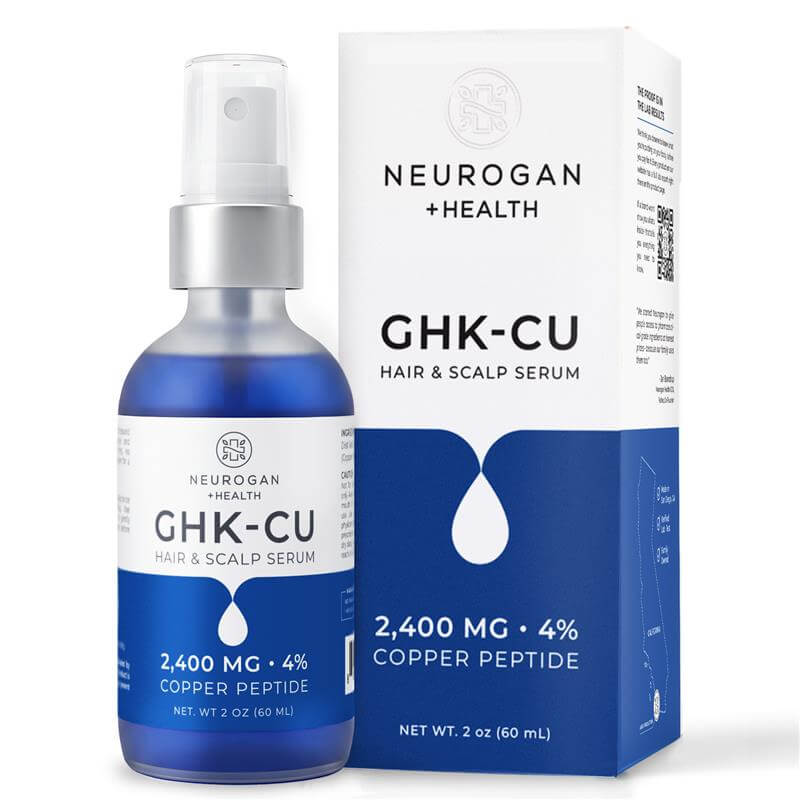
GHK-Cu hair and scalp serum with 2400mg copper peptide (4%) by Neurogan.

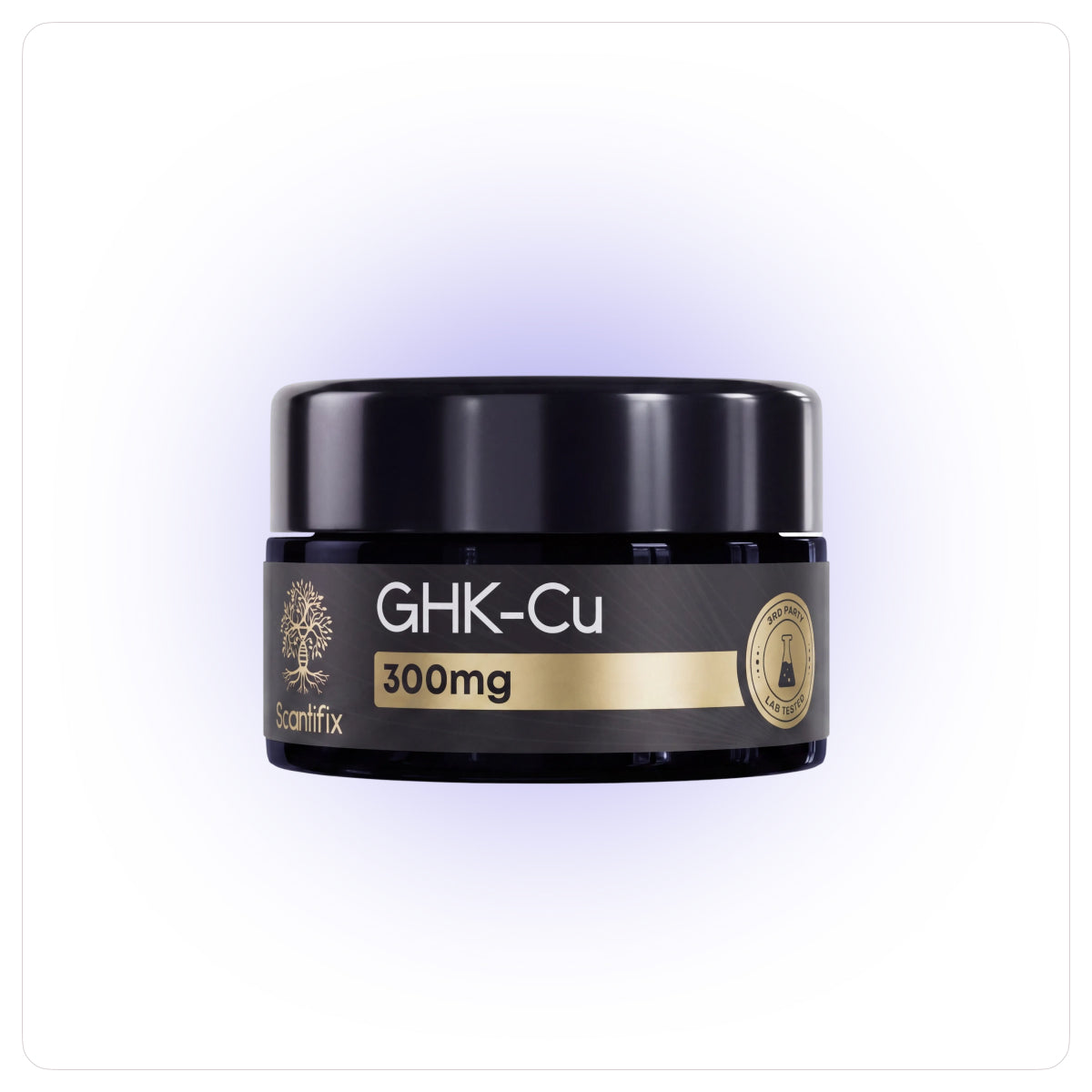
GHK-Cu topical from Scantifix at $49.00, with customer reviews on file.
Prescription copper peptide complex with GHK-Cu from DoctorDerm at $74.50.
| Product | Price | GHK-Cu | Size | Rating | Reviews | Price |
|---|---|---|---|---|---|---|
| Neurogan Health GHK-Cu Copper Peptide Face Cream | $20.00 | 1200mg (2%) | 2 oz | 4.9 (34 reviews) | 4.9 (34) | $20.00 |
| Neurogan Health GHK-Cu Copper Peptide Hair & Scalp Serum | $55.00 | 2400mg (4%) | 2 oz (60ml) | 4.4 (151 reviews) | 4.4 (151) | $55.00 |
| Scantifix GHK-Cu | $49.00 | - | - | - | - | $49.00 |
| Awin1 DoctorDerm Copper Peptide Complex | $74.50 | - | - | - | - | $74.50 |
Among the various sections of this directory, copper peptides refer to the group of substances that are used externally instead of being injected or sprayed like other chemicals. The notable active substance researched in this marketplace is GHK-Cu, while the marketed products are represented by face creams, hair serums, and other topical preparations from world-known brands producing clinical drugs or cosmetics. This segment presents the considered studies and results of comparisons of four tracked products along with the separation of information available for marketing purposes from the published research findings.
GHK-Cu is a tripeptide (glycine-histidine-lysine) bound to a copper ion. It occurs naturally in human plasma, saliva and urine, with plasma levels declining from approximately 200 ng/mL at age 20 to 80 ng/mL by age 60. Published research attributes GHK-Cu's biological activity to its ability to deliver copper ions to tissues, activate wound-healing pathways, stimulate collagen synthesis and modulate gene expression. A 2012 study by Pickart et al. in Oxidative Medicine and Cellular Longevity reviewed GHK-Cu's role in skin remodeling and wound repair.
The copper peptides are being promoted in the market of skincare for the anti-aging processes, wrinkle removal, and improving the firmness of the skin. There is some published research that confirms some of the points in terms of mechanism, GHK-Cu promotes the production of collagen I and III, stimulates glycosaminoglycan production, and encourages fibroblast proliferation in cell culture studies. However, the conversion of collagen stimulation in vitro to the actual fight against wrinkles depends on such factors as the concentration, formulation, depth of penetration, and the duration of the usage of the product. Not all the products that contain copper peptides have enough GHK-Cu in order for the experiment to yield the same results.
In a 60 mL jar, Neurogan's facial cream boasts GHK-Cu's renowned 1200 mg in a concentration of 2%. The product is touted as an anti-aging and moisturizing skincare product. With a rating of 4.9 out of 5.0 based on 34 reviews, it has the lowest price of $20.00 compared to copper peptide products in this list. While the concentration of 2% GHK-Cu is not atypical in published cosmetic studies, the formulation of the cream has an impact on bioavailability comparatively to pure GHK-Cu solutions used in studies.
DoctorDerm’s Copper Peptide Complex is marketed as a professional skincare line and is priced at $74.50, the most expensive within the category of topical products. The formula is based on GHK-Cu along with other active ingredients in a serum format. The claim made on the product page relates to lines on the skin, tone of the skin and skin firmness. The price is assumed to reflect its concentrated formulation; however, there is no indication of the GHK-Cu amount on the product page, as opposed to how Neurogan displays the information.
Neurogan's hair serum contains 2400 mg of GHK-Cu at a 4% concentration in a 60 mL bottle. Published research on copper peptides and hair includes studies showing GHK-Cu's effect on follicle size and hair growth cycling in animal models. The 4% concentration is higher than the face cream, reflecting the different tissue target and the scalp's thicker skin barrier. The product has a 4.4/5.0 merchant rating from 151 verified reviews, the largest review count among topical products we track. Price: $55.00.
Scantifix provides a single-item topical GHK-Cu product that costs $49.00. The product is placed between the Neurogan cream that has a consumer pricing and the advanced DoctorDerm complex in terms of pricing. The brand Scantifix works on providing GHK-Cu in a simpler formulation with little additional active ingredients. This can be helpful for researchers who only want to test the copper peptide as there is no other added ingredient. However, for cosmetic users, the absence of complementary active ingredients such as hyaluronic acid, niacinamide and retinol means the lack of several benefits.
| Product | GHK-Cu Amount | Concentration | Price | Rating | Reviews |
|---|---|---|---|---|---|
| Neurogan Face Cream | 1200 mg | 2% | $20.00 | 4.9/5.0 | 34 |
| Scantifix GHK-Cu | Not specified | Not specified | $49.00 | — | — |
| Neurogan Hair Serum | 2400 mg | 4% | $55.00 | 4.4/5.0 | 151 |
| DoctorDerm Complex | Not specified | Not specified | $74.50 | — | — |
The effectiveness of a copper peptide product is directly related to the amount of GHK-Cu contained in the product and provided to the skin. Neurogan provides the total milligrams and percentages (2% cream, 4% serum) of each product, allowing for an easy comparison. If the concentration is not identified, the consumer will not know whether the content of GHK-Cu in the product is sufficient or minimal. When choosing copper peptide products, make sure to check both the total amount of GHK-Cu in milligrams and the percentage of GHK-Cu.
Marketing statements such as "wrinkle reduction by 40%" usually stem from minor internal research using subjective measures. Reputable reviews, on the other hand, take longer periods of time into account (weeks and months). Neurogan has the highest number of reviews in the category (34 for cream and 151 for serum). Products lacking independent reviews need to be carefully evaluated to verify their effectiveness.
Published research indicates that GHK-Cu stimulates the synthesis of collagen I and III, increases the synthesis of glycosaminoglycans (enhancing skin hydration), promotes fibroblast multiplication, and regulates the expression of inflammatory genes. Practically speaking, these processes lead to better skin firmness, hydration, and healing. The extent of reproduction of the effects of the topical agent depends on the concentration of the agent, its composition, and the way of application.
Generally speaking, in the concentrations found in skin-care products (1-4)% GHK-Cu is safe. Safely test data show either no or very little irritation caused by GHK-Cu. However, responses can be different. The reaction of the user may be caused by other ingredients of the product (preservatives, fragrances, and emulsifiers) and not the copper peptides. Patch test should be done on a small skin area before using any new cream.
Published animal studies show GHK-Cu affects hair follicle size and cycling. Neurogan's 4% hair serum targets this application and has a 4.4/5.0 rating from 151 reviews. However, hair growth research with GHK-Cu is less extensive than skin research, and results may vary based on the type and cause of hair thinning. GHK-Cu is not an FDA-approved treatment for hair loss.
Studies published in vitro showing collagen stimulation and wound healing effects use GHK-Cu in the microgram to milligram range. Topical products in the range of 1-4% deliver GHK-Cu at concentrations intended to simulate the research conditions after skin penetration barriers are accounted for. Products with concentrations lower than 0.5% GHK-Cu may not deliver significant amounts to the target tissue. Neurogan's 2% cream and 4% serum are within the range of research-relevant concentrations.

Prices, sizes and ratings side by side, updated when the merchant pages change.
Shop peptides