Peptide Stability and Storage: Temperature, Light and Shelf Life
How to store research peptides properly. Temperature ranges, light sensitivity, reconstituted vs lyophilized shelf life and cold chain shipping explained.

The effectiveness of a peptide begins to decline as soon as the conditions in which it is stored deteriorate. Three key parameters impact peptide stability, temperature, light and moisture, all of which influence lyophilized and reconstituted forms differently. In this post, we describe the background of how peptide degradation occurs, what numbers are related to good storage practice and what you should expect from suppliers regarding delivery.
Why Storage Conditions Matter for Peptides
Degradation Pathways
Peptides can degrade via a number of chemical methods. Hydrolysis of the peptide bonds occurs in the presence of water. In oxidation, the methionine and cysteine residues are acted upon. Deamidation causes the change of asparagine and glutamine residues to aspartic and glutamic acid. Aggregation involves clumping of the individual peptide molecules into inactive complexes. These actions take place at an increased rate in high temperature, light and moisture conditions. Appropriate storage helps in decreasing the degradation process.
Lyophilized vs Reconstituted Stability
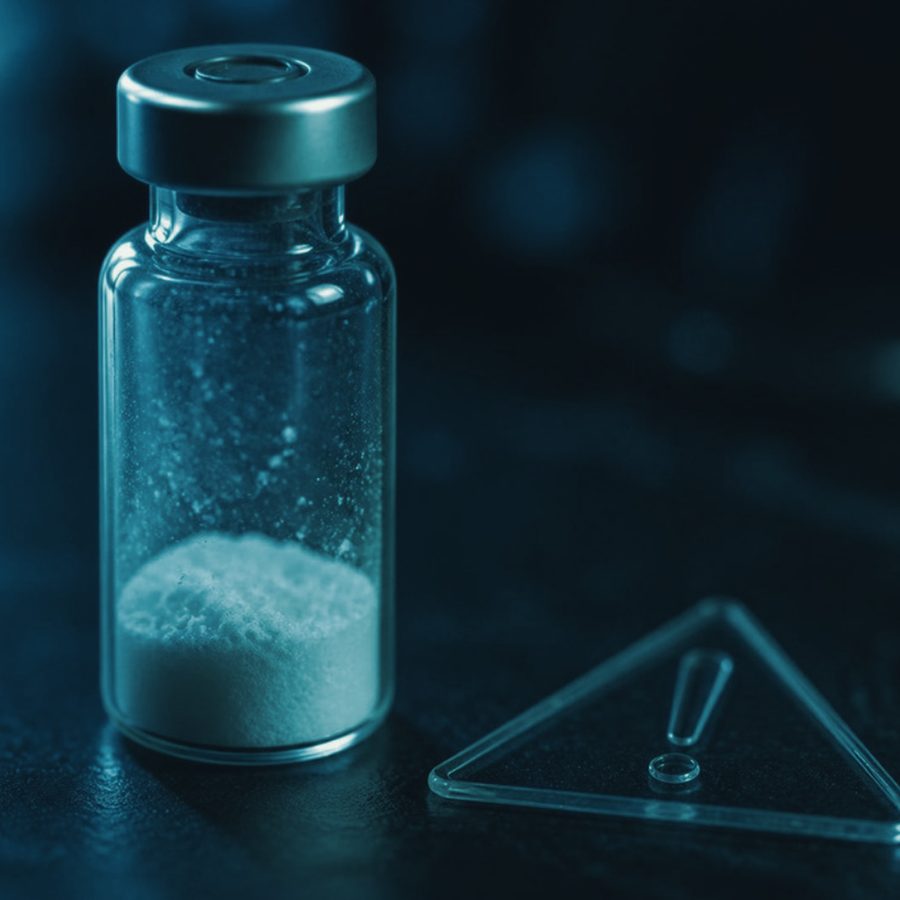
Lyophilization (freeze-drying) is a method of moisture removal that stops hydrolysis and significantly slows down any other degradation processes. Lyophilized peptides kept at -20°C in closed containers can be stable for years. Hydrolysis becomes possible when peptides are dissolved in bacteriostatic water, and the stability drops from years to weeks. So the duration of use of reconstituted peptides should be viewed as 28 days maximum rather than as expiration date, as degradation continues steadily throughout that time.
- Lyophilized
- freeze-dried powder, stable at -20°C for years
- Reconstituted
- peptide in solution, 2-8°C, use within 28 days
- 28 days
- standard window for reconstituted peptide use
Temperature Guidelines
Long-Term Storage (Lyophilized)
The recommended long-term storage temperature for lyophilized material is -20 degrees C which represents a conventional household freezer. Though many laboratories use ultra-low freezers that operate at -80 degrees C to provide even better stability, the -20 degrees C storage temperature ensures that stability is adequate for the time periods of relevance to consumers and in research (i.e., months to years). The important factor is that the temperature should remain stable as opening and closing of the freezer results in moisture condensation on the vial, ultimately resulting in hydrolysis of lyophilized cake.
Short-Term Storage (Reconstituted)
Reconstituted peptides should be kept at the temperature assured in standard refrigerators that is 2-8°C. The presence of benzyl alcohol preservative in bacteriostatic water makes the microbial growth process very slow at low temperatures. At higher temperatures than 8°C, both chemical degradation and microbial growth increase significantly. The assumption is that products in the refrigerator are stored for 28 days. The situation with vials held at the room temperature and put back into the refrigerator is worse than with the vials kept in cool conditions at all times.
Room Temperature Exposure Limits
The exposure to room temperature under 30 minutes while reconstituting and taking doses can be considered normal and acceptable. However, prolonged room temperature storage at 20 to 25°C is known to speed up the process of degradation significantly. If the temperature is above 30°C (e.g., shipping during the summer in an unprotected way, or leaving the vial close to the heated window), degradation will increase tremendously. If the vial is maintained at temperatures above 37 °C for a prolonged period of time, degradation is to be expected.
| Form | Temperature | Duration | Notes |
|---|---|---|---|
| Lyophilized (sealed) | -20°C (freezer) | Months to years | Minimize freeze-thaw cycles |
| Lyophilized (sealed) | 2-8°C (fridge) | Weeks to months | Acceptable for short-term before reconstitution |
| Reconstituted | 2-8°C (fridge) | Up to 28 days | Benzyl alcohol preservative active |
| Reconstituted | Room temp (20-25°C) | Minutes only | Return to fridge immediately after use |
| Capsules (oral BPC-157) | Room temp, dry | Per label (months) | Keep sealed with desiccant |
Light and Moisture
UV Degradation
UV light induces oxidation of peptides containing residues of tryptophan, tyrosine, or phenylalanine. BPC-157 peptide does not have tryptophan but includes other amino acids that are susceptible to UV light. MOTS-c peptide is known to be light sensitive according to its handling guides. It is common practice to store peptide vials in the dark either inside a box or cabinet or to wrap the vials in aluminum foil after reconstitution. Amber vials offer some protection against UV light, but these are not commonly used by peptide manufacturers.
Humidity and Powder Integrity
Dampness is a threat against lyophilized peptides because the whole idea behind freeze-drying is to get rid of water. The re-entry of moisture into the vial due to a faulty seal or condensation as a result of temperature cycling starts hydrolysis on the surface of the lyophilized cake. If powder seems clamped, tacky or discolored, then it has probably been affected by moisture. The BPC-157 capsules should be stored in their original sealed container including any desiccants packets.
Cold Chain Shipping
What to Expect from Peptide Vendors
Reputable peptide vendors ship lyophilized vials in insulated packaging with ice packs or gel packs to maintain cold chain during transit. Both vendors tracked in this directory, PeptideGod and Real Peptides, ship from US stock with insulated packaging. Real Peptides uses USPS priority with cold chain materials. Standard domestic shipping (2-5 business days) is generally safe for lyophilized peptides with insulated packaging, as the sealed vials tolerate brief temperature fluctuations better than reconstituted solutions.
Insulated Packaging and Ice Packs
The lowest acceptable shipping standard for lyophilized peptides is a foam box with at least one gel ice pack. During summer months or in hotter regions, vendors must use additional insulation or fast shipping methods. When a package arrives with an ice pack fully melted and foam warm to the touch, it is likely that the temperatures have gone beyond required limits during shipping. Lyophilized peptides in secure vials tolerate higher temperature swings than reconstituted solutions, although heat exposure is still a serious issue.
FAQ, Peptide Storage
Can peptides be frozen after reconstitution?
Reconstituted peptides should generally not be subjected to freezing as the freeze-thaw cycle may cause irreversible aggregation and degradation. Bacteriostatic water contains 0.9% benzyl alcohol, which may not remain effective after freezing and thawing. For longer storage, it is better to keep the peptide in lyophilized form and only dissolve that portion of the peptide that will be needed within a 28-day period.
How long do lyophilized peptides last?
Properly stored lyophilized peptides (-20°C, sealed vial, dark location) can remain stable for years. Most vendors do not provide specific expiration dates for lyophilized research peptides, but the general consensus in the literature is that the powder form maintains potency for at least 12-24 months at -20°C and potentially longer. The exact shelf life depends on the specific peptide, the quality of the lyophilization process and how well the vial seal maintains integrity.
What happens if a peptide warms up during shipping?
A brief temperature excursion (a few hours at room temperature) is unlikely to significantly degrade a sealed, lyophilized peptide. Extended exposure to heat (above 30°C for more than a day) can start measurable degradation. If the insulated packaging arrives completely warm with ice packs fully melted and the transit took more than 3 days, contact the vendor about replacement. Reconstituted peptides are more sensitive to temperature than lyophilized forms and should never be shipped at room temperature.
Keep reading
Peptide Stacking: What Published Research Shows About Combinations
Peptide stacking and combination protocols from published research. Which peptides are studied together, rationale for stacking and what data exists.
Peptide Purity Testing: HPLC, Mass Spec and What COAs Show
How peptide purity testing works. HPLC chromatography, mass spectrometry and endotoxin screening explained. What to look for on a Certificate of Analysis.

Peptide Bioavailability: How Route of Administration Changes Absorption
How peptide bioavailability differs by administration route. Subcutaneous, oral, nasal and topical absorption compared with published pharmacokinetic data.
Compare the current picks
Prices, sizes and ratings side by side, updated when the merchant pages change.
Shop peptides