Prices and COAs verified October 2026

Best Peptides for Healing: Research-Ranked Compounds

Best peptides for healing ranked by published research volume, mechanism data and vendor availability. BPC-157, TB-500 and combinations compared.

Best Peptides for Healing: Research-Ranked Compounds
Top pick
BPC-157
Peptide God

BPC-157

3.8 our rating

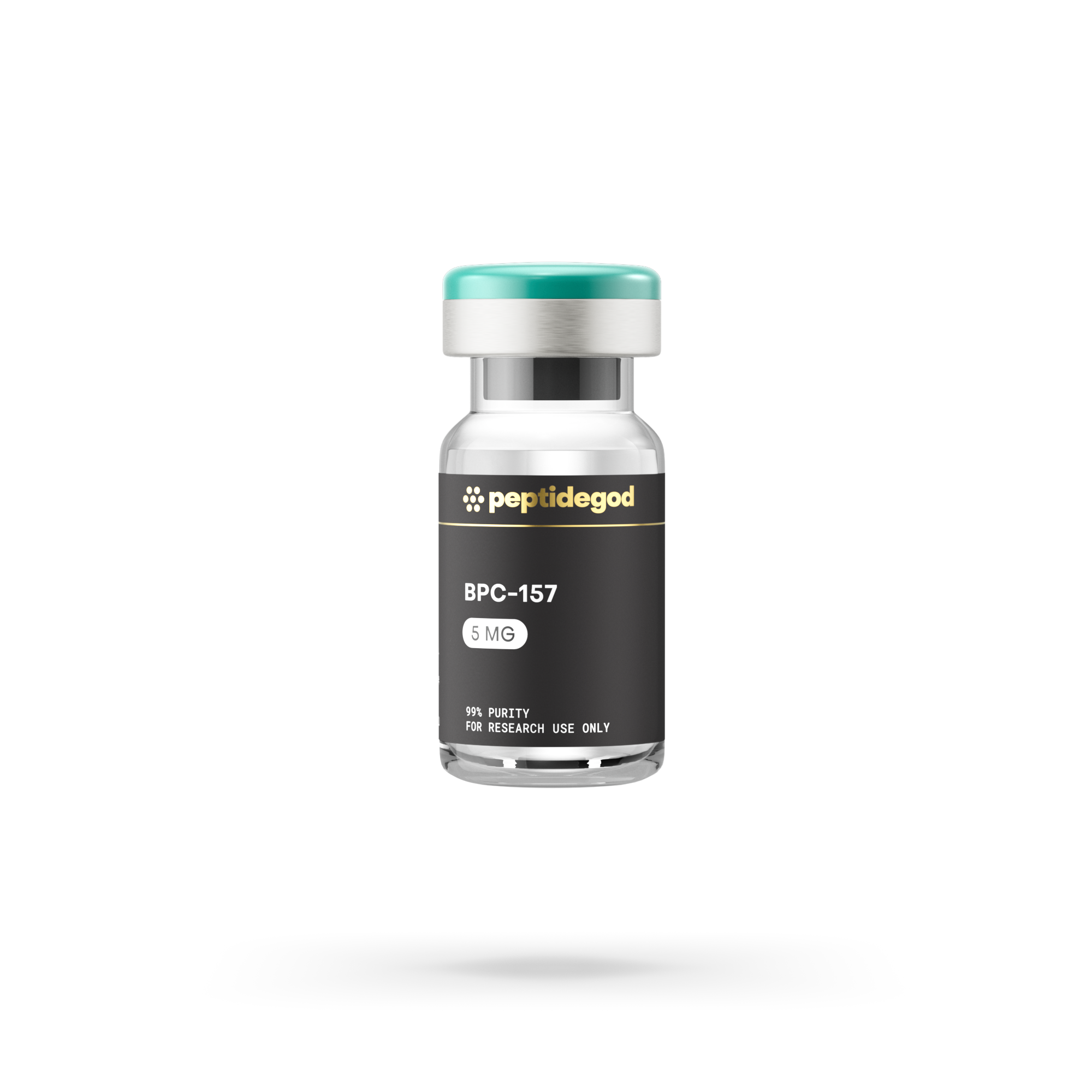
BPC-157 lyophilized vial from Peptide God, priced at $34.95.

What we look at

Third-party testing

We look for a batch-level certificate of analysis published by the merchant.

Stated purity and fill

Purity percentage and milligrams per vial as stated on the product page.

Labeling and storage info

Clear research-use labeling, lot numbers and storage instructions.

Cost per milligram

Vials compared on price per milligram, not on sticker price.

The 4 picks, ranked

1
Top Pick BPC-157
Peptide God

BPC-157

3.8 our rating

BPC-157 lyophilized vial from Peptide God, priced at $34.95.

Price$34.95
BrandPeptide God
FormLyophilized vial
StatusIn stock
Competitive price point for BPC-157
Consistent in-stock availability
Straightforward online ordering process
Product page does not display a COA document
Vial size in milligrams is not listed on the page
2
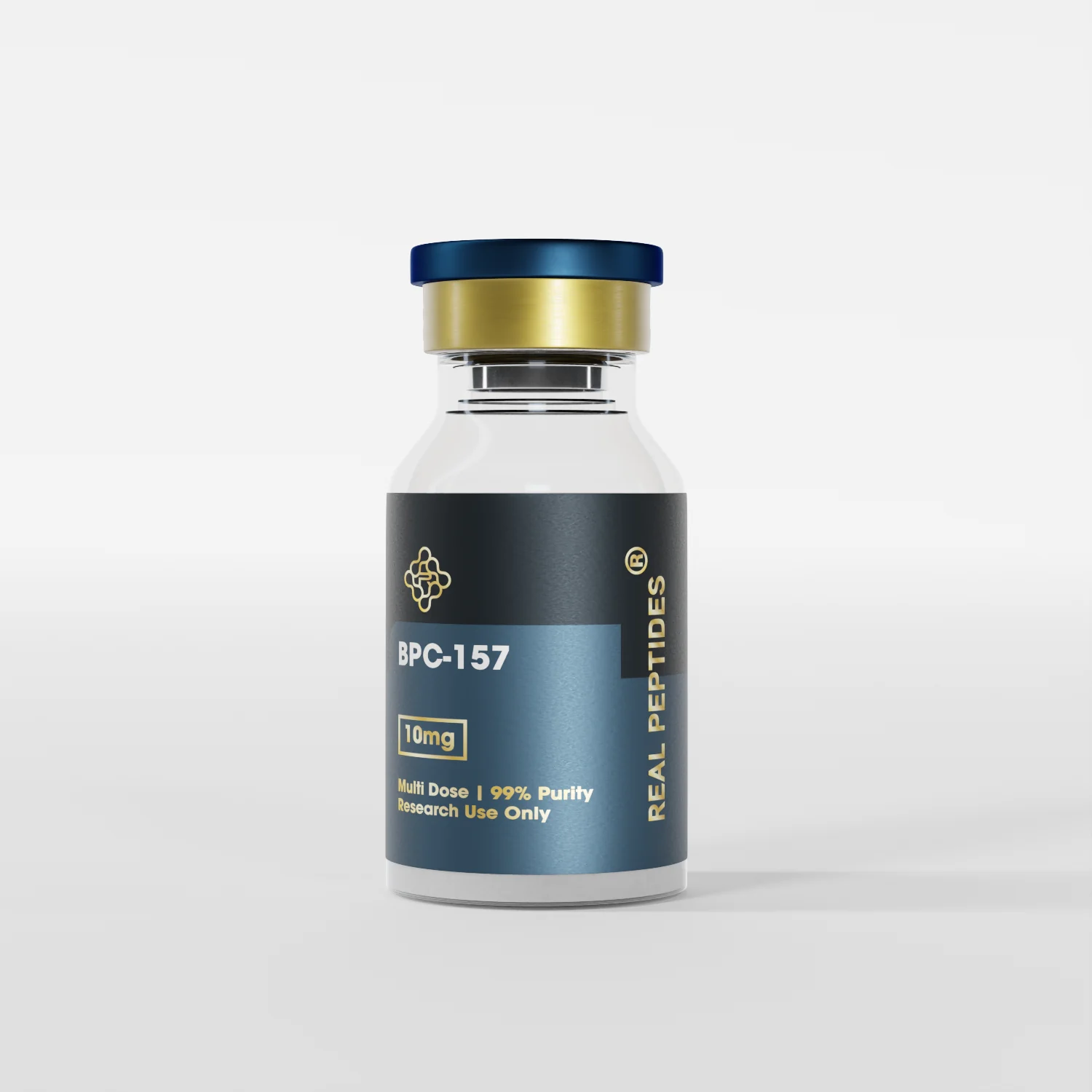
BPC-157 Peptide 10mg
Real Peptides

BPC-157 Peptide 10mg

4.3 our rating

BPC-157 10mg vial from Real Peptides with published lot COA and HPLC verification.

Price$43.20
Amount10mg
BrandReal Peptides
Purity≥99% HPLC
10mg per vial is a larger research quantity
Published lot COA with HPLC purity data
Ships from US stock within 24 hours
Higher per-vial cost at $43.20
Research-use-only labeling limits accessibility
3
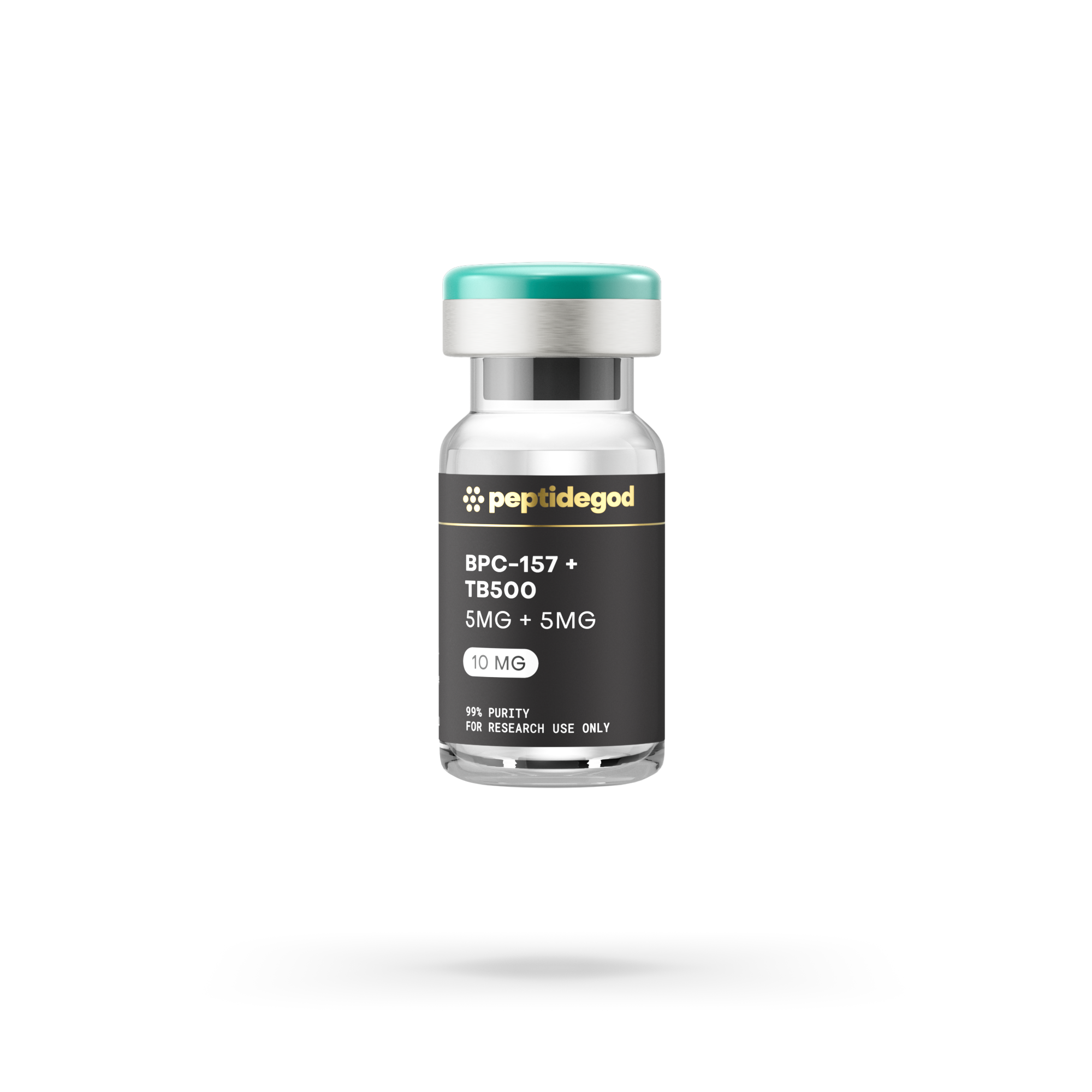
Blend BPC-157 + TB500
Peptide God

BPC-157 + TB500

3.8 our rating

BPC-157 lyophilized vial from Peptide God, priced at $34.95.

Price$34.95
BrandPeptide God
FormLyophilized vial
StatusIn stock
Competitive price point for BPC-157
Consistent in-stock availability
Straightforward online ordering process
Product page does not display a COA document
Vial size in milligrams is not listed on the page
4
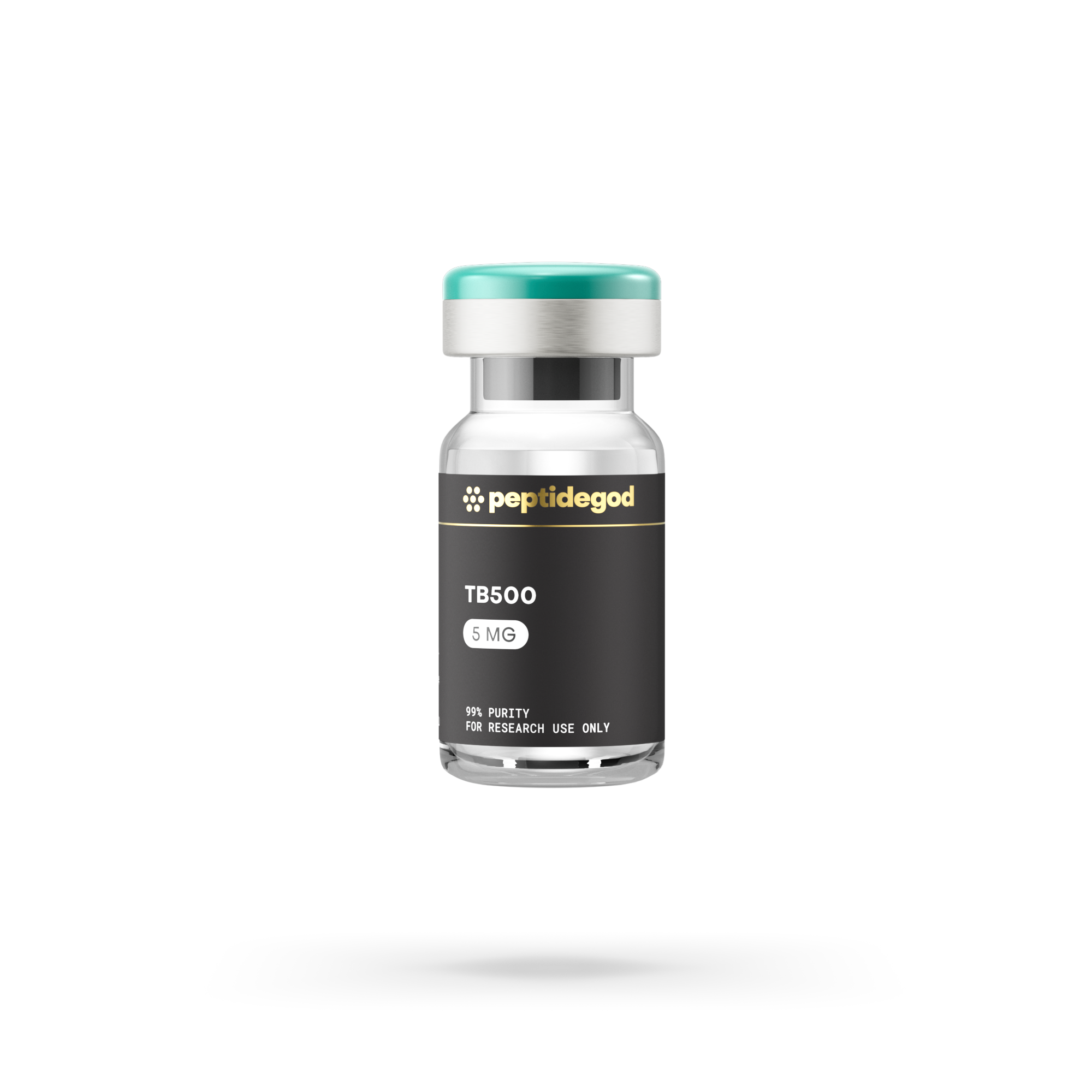
TB500
Peptide God

TB500

3.7 our rating

TB-500 (Thymosin Beta-4 fragment) lyophilized vial from Peptide God at $35.00.

Price$35.00
BrandPeptide God
FormLyophilized vial
StatusIn stock
Affordable entry point for TB-500 research
Pairs with BPC-157 for stacking protocols
Consistently available in the catalog
No published COA or third-party testing
Vial size not specified on the product page

Quick comparison

ProductPriceBrandFormStatusPrice
Peptide God BPC-157$34.95Peptide GodLyophilized vialIn stock$34.95
Real Peptides BPC-157 Peptide 10mg$43.20Real Peptides--$43.20
Peptide God BPC-157 + TB500$34.95Peptide GodLyophilized vialIn stock$59.95
Peptide God TB500$35.00Peptide GodLyophilized vialIn stock$35.00

Investigators seeking peptides documented for tissue repair encounter a catalogue that spans compounds extensively studied to those with hardly any literature. This page ranks healing peptides based on how weighty their evidence is, compares their proposed mechanisms, and indicates sources from where they can be purchased from the tested suppliers.

What Makes a Peptide Relevant for Healing Research

Published Study Volume

The initial criterion is the quantity of peer-reviewed studies conducted by independent researchers with respect to a compound. A peptide having one or two published articles is still in the world of speculation. A compound with a multitude of studies performed by independent research groups, on the other hand, has a stronger base of evidence to rely on. In matters of healing, the particular yardstick is research where either injury models are used, the model may be tendon, muscle, bone, skin or gut injury, as opposed to just research with cell culture results.

Mechanism Specificity

Peptides that affect the nonspecific pathway cannot be studied as efficiently and accurately as the ones working along the known pathway. The main mechanisms through which healing peptides function are the regulation of growth factors supplied (VEGF, FGF), facilitation of cell motility, angiogenesis, and modulation of the inflammatory process. Peptides that have the strict mechanism described in literature are more beneficial for research purposes than those that have only certain outcomes of action described in available publications.

100+published BPC-157 studies in tissue repair models
50+published Thymosin Beta-4 / TB-500 studies
3primary soft tissue types: tendon, muscle, gut

BPC-157 for Healing: The Research Summary

Tissue Types Studied

BPC-157 has undergone testing in various animal models, such as tendon transection, muscle crush injury, bone fracture, ligament tear, skin healing, gastrointestinal lesions, and nerve injury. The variety of tissues studied is rare in a single preclinical compound. A 2018 review in Current Pharmaceutical Design compiled this evidence by organ system, noting that consistent positive findings have been achieved.

Key Findings Across Models

According to the literature published so far, it can be seen that animals treated with BPC-157 show commonly enhanced collagen fiber organization in tendon models, muscle fiber repair, increased biomechanical properties and reduced leukocytes infiltration compared to the control group treated with saline. The mechanisms described include the upregulation of VEGF, modulation of NO, and activation of the FAK-paxillin signalling pathway. This research was done by several laboratories, mostly located in the University of Zagreb, but also by independent teams. Please refer to our full injury recovery guide for more details on the study.

TB-500 for Healing: Complementary Pathways

Actin Regulation and Cell Migration

TB-500 is a fragment of Thymosin Beta-4, which plays a central role in actin polymerization and cell migration. Actin is a structural protein that forms the internal scaffold of cells, and its reorganization is essential for cell movement into wound sites. By sequestering monomeric actin (G-actin) and releasing it in a controlled manner, TB-4 promotes the directional migration of keratinocytes, endothelial cells and fibroblasts into damaged tissue. This mechanism is distinct from BPC-157's growth factor pathway, which is why the two are often discussed as complementary.

Published Wound-Healing Data

A 2012 review in Annals of the New York Academy of Sciences summarized Thymosin Beta-4 wound-healing studies including dermal, corneal and cardiac tissue models. Topical application of TB-4 accelerated wound closure in skin models, and intracoronary delivery improved cardiac function in ischemia models. The compound entered human clinical trials for corneal wound healing, giving it more clinical validation than BPC-157 currently has.

BPC-157 + TB-500 Blend: Rationale and Data

The combination of BPC-157 with TB-500 is known to be one of the most sought-after products in the field of research peptides. The idea behind this is that the BPC-157 works in a way that it activates pathways for growth factors (VEGF, FGF, and the NO system), while TB-500 focuses on actin-mediated cell movement, so two different mechanisms of action can work together, theoretically, providing additive/synergistic effects. However, there have been no controlled studies proving the efficacy of the combination in comparison with the two peptides applied separately. The product has proven to be popular among vendors, but the claims regarding the synergistic capacity have not been proven by any scientific experiments.

PeptideGod BPC-157 10mg34.95
PeptideGod TB-500 10mg35
PeptideGod BPC-157+TB500 Blend59.95
Real Peptides BPC-157 10mg43.95
Prices from live merchant pages, October 2026. BPC-157 and TB-500 at 10mg; Blend contains both peptides.

Vendor Options for Healing Peptides

ProductVendorSizePriceCOAShips From
BPC-157PeptideGod10 mg$34.95Not displayedUS
BPC-157Real Peptides10 mg$43.95Lot-specific COAUS
BPC-157 + TB-500PeptideGodBlend vial$59.95Not displayedUS
TB-500PeptideGod10 mg$35.00Not displayedUS

FAQ, Peptides for Healing

Which peptide has the most healing research?

BPC-157 has the largest body of published tissue repair data, with over 100 studies across multiple injury models (tendon, muscle, bone, gut, skin). TB-500 / Thymosin Beta-4 has the second most, with over 50 studies and some human clinical trial data for corneal repair.

Can healing peptides be combined?

BPC-157 and TB-500 are popularly marketed as a pre-mixed blend. The reasoning behind this practice is that they have complementary mechanisms of action, although there has been no controlled research demonstrating that the use of the combination is superior to either substance alone. The synergistic argument is theoretically valid, but has not yet been demonstrated in practice.

Are healing peptides approved for medical use?

None of the research peptides mentioned on this page is recognized by the FDA for the purposes of wound healing or tissue repair. Thymosin Beta-4 has reached the stage of clinical trials and Tesamorelin has been approved for a different purpose. BPC-157 and TB-500 are available in the market only as research chemicals.

How are healing peptides stored?

The vials need to be stored at a temperature of -20°C (in a freezer). Once the vials are reconstituted with bacteriostatic water, the amount should be stored at 2-8°C (in a fridge) for the next 28 days. Direct sunlight must be avoided when storing the vials. Our injectable peptides guide provides extensive information about the reconstitution and storage.

Compare the current picks

Prices, sizes and ratings side by side, updated when the merchant pages change.

Shop peptides